
Core Business Definition
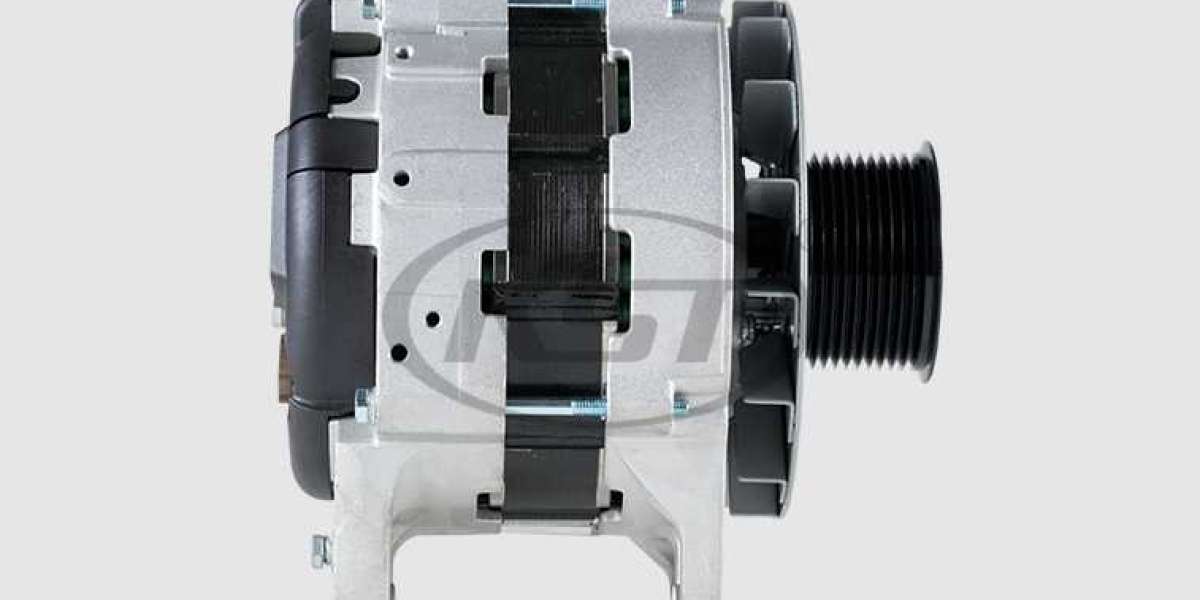
An OEM alternator manufacturer is a specialized industrial company that designs and produces alternators for vehicle manufacturers to install as original equipment in new cars, trucks, buses, and construction machinery. These manufacturers supply directly to automotive brands through rigorous engineering collaboration, quality standards, and supply chain integration that ensures every new vehicle leaves the factory with an alternator designed specifically for its electrical system requirements. The alternator serves as the primary power generation component, charging the battery and supplying electricity to all vehicle electrical systems while the engine operates.
Product Range and Applications
OEM alternator manufacturers produce diverse alternator types for various vehicle segments and electrical demands. Standard alternators for passenger vehicles typically range from 70 to 150 amperes output, sufficient for basic electrical loads including ignition, lighting, and infotainment systems. High-output alternators for luxury vehicles with extensive electrical content deliver 180 to 300 amperes or more to power heated seats, premium audio systems, advanced driver assistance features, and multiple displays. Heavy-duty alternators for commercial trucks, buses, and construction machinery are engineered for continuous operation under demanding conditions with outputs reaching 200 amperes and beyond. Twenty-four volt systems serve heavy commercial and military applications where higher voltage provides efficiency advantages for large electrical loads.
Engineering and Design Capabilities
OEM alternator manufacturers invest substantially in research and development to meet evolving vehicle electrical requirements. Engineering teams develop alternator technologies for conventional vehicles, start-stop systems, and electrified powertrains where regenerative braking and hybrid operation create unique charging demands. Continuous innovation includes development of liquid-cooled alternators for high-output applications where air cooling reaches thermal limits. Research programs explore higher voltage architectures for future vehicles requiring increased electrical power for advanced features. Technical teams hold numerous patents for alternator efficiency improvements, noise reduction, and durability enhancement.
OEM Partnership Requirements
Becoming an OEM alternator manufacturer requires meeting stringent automotive industry standards. Manufacturers must maintain IATF 16949 certification specifically for automotive production parts, along with ISO 9001 quality management systems that validate manufacturing processes. Specific OEM quality certifications demonstrate capability to meet individual manufacturer requirements, with suppliers undergoing regular audits and performance evaluations. Long-term technology partnerships are common, with manufacturers engaging in cooperative development programs spanning multiple vehicle generations.
Manufacturing Processes and Quality Control
Production within an OEM alternator manufacturer involves advanced manufacturing technologies and rigorous quality systems. Stator and rotor production utilizes automated winding equipment achieving precise copper placement for optimal electrical performance. Diode and regulator assembly requires cleanroom conditions preventing contamination that could cause premature failure. Housing machining from aluminum castings creates precise bearing fits and cooling passage geometries. Balanced rotor assemblies minimize vibration and bearing wear at operating speeds exceeding 15,000 RPM. Comprehensive testing throughout production validates output characteristics, voltage regulation, and noise levels.
Quality Certifications and Standards
Rigorous certifications distinguish professional OEM alternator manufacturers. IATF 16949 certification addresses automotive industry specific requirements for production parts, representing the highest quality standard for automotive suppliers. ISO 9001 quality management validates manufacturing processes and continuous improvement systems. ISO 14001 environmental certification demonstrates commitment to sustainable manufacturing practices and regulatory compliance. OSHAS 18001 or ISO 45001 confirms occupational health and safety management protecting workers. International product certifications including CE, RoHS, and regional requirements ensure compliance with global market access standards.