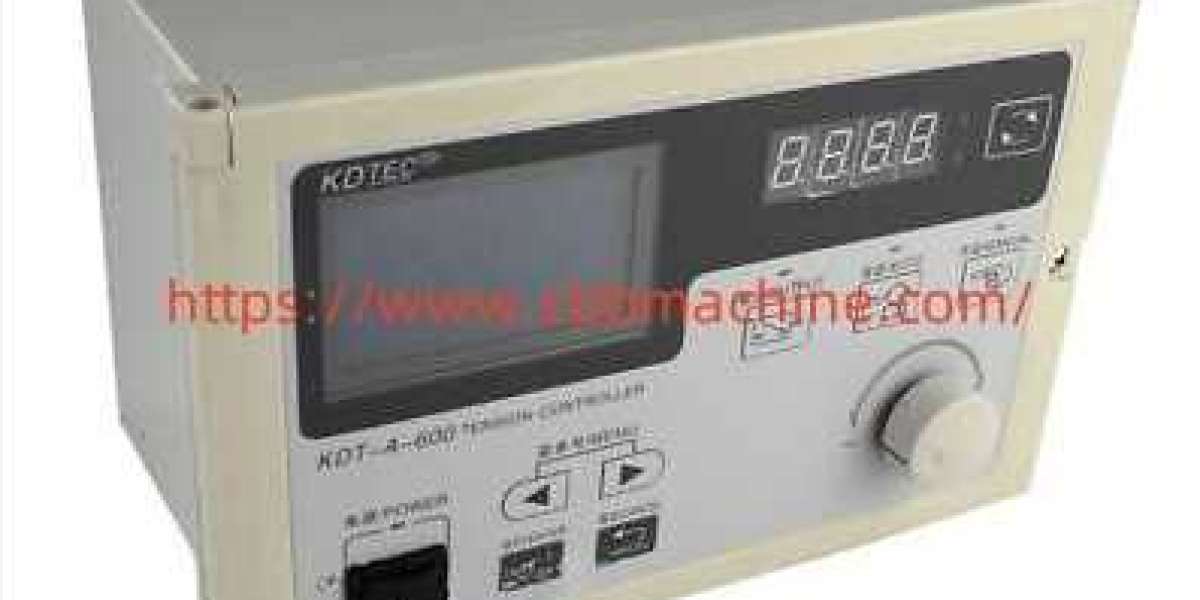

Modern web processing and material winding often rely on a Tension Controller to maintain stability, accuracy, and productivity in industrial applications. This component plays a vital role in ensuring that materials move consistently during high-speed production.
Industries such as printing, textiles, and packaging depend on precise control of material flow. Even minor inconsistencies in roll tension can lead to misalignment, wrinkles, or breakage. By regulating torque and pressure, this controller prevents such problems while enhancing operational efficiency.
One of the most important advantages of integrating this equipment into production lines is its adaptability. It can work with various materials without requiring extensive manual adjustments. This flexibility supports continuous operations while saving both time and labor.
Durability is another key feature. Built to withstand the challenges of industrial environments, the component offers reliability even under demanding conditions. This reduces the frequency of maintenance, allowing businesses to keep machines running longer with fewer interruptions.
In addition to performance benefits, the technology also contributes to cost management. By minimizing waste and improving process accuracy, companies can reduce material expenses and ensure better resource utilization. Over time, this results in more sustainable production.
Another major advantage lies in quality improvement. With consistent tension control, finished products maintain a uniform appearance, which directly impacts customer satisfaction. For industries with strict quality requirements, this reliability helps maintain trust and long-term relationships.
The presence of such systems also simplifies operator tasks. By automating key adjustments, workers can focus on monitoring overall processes rather than constantly correcting tension issues. This contributes to a safer and more efficient work environment.
Ultimately, this controller is more than just an accessory—it is a cornerstone of reliable production. By improving efficiency, reducing downtime, and ensuring product consistency, it continues to be an essential part of industrial systems.
For further information about applications and benefits, visit https://www.cbbmachine.com/news/industry-news/tension-controller-types-importance-applications-and-more.html