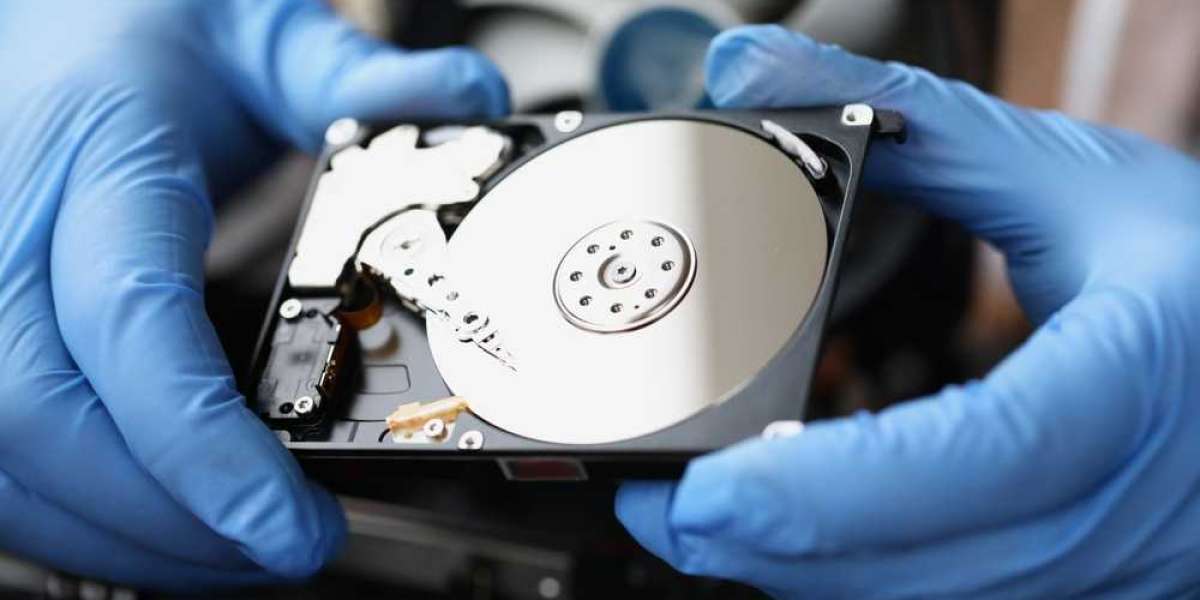

Desktop computer hard drives are the backbone of your system’s storage, holding everything from your operating system to personal files and applications. They play a crucial role in determining the speed and efficiency of your computer, making it essential to select the right type of hard drive.
Types of Hard Drives
There are primarily two types of desktop computer hard drive Hard Disk Drives (HDDs) and Solid State Drives (SSDs). HDDs use spinning disks to store data, offering large storage capacity at an affordable price. On the other hand, SSDs use flash memory, providing faster data access, quicker boot times, and improved overall performance. Many users opt for a combination of both, using an SSD for the operating system and an HDD for bulk storage.
Storage Capacity and Performance
Choosing the right storage capacity depends on your usage. For everyday computing, a 500GB to 1TB hard drive is usually sufficient. Gamers, video editors, and professionals working with large files may require drives with 2TB or more. Performance also varies based on factors like rotational speed for HDDs, measured in revolutions per minute (RPM), and read/write speeds for SSDs. Higher speeds translate to smoother multitasking and faster file transfers.
Installing and Maintaining Your Hard Drive
Installing a desktop computer hard drive is relatively straightforward. Most modern desktops provide easy access to drive bays and connectors. Regular maintenance is key to ensuring longevity. Keep your system free of dust, run disk cleanup utilities, and back up important files to prevent data loss. Monitoring drive health using built-in tools or third-party software can help detect early signs of failure.
Upgrading Your Hard Drive
Upgrading your hard drive is a cost-effective way to enhance your desktop’s performance without buying a new computer. Switching from an HDD to an SSD can dramatically improve boot times and application performance. Expanding storage capacity allows you to store more files without slowing down your system. Many desktop users find that a simple upgrade provides a noticeable improvement in speed and efficiency.
Conclusion
Desktop computer hard drives are more than just storage devices—they are essential for optimal system performance and efficiency. Whether you choose an HDD, SSD, or a combination of both, understanding your needs and maintaining your drives properly can ensure a reliable and high-performing desktop experience.