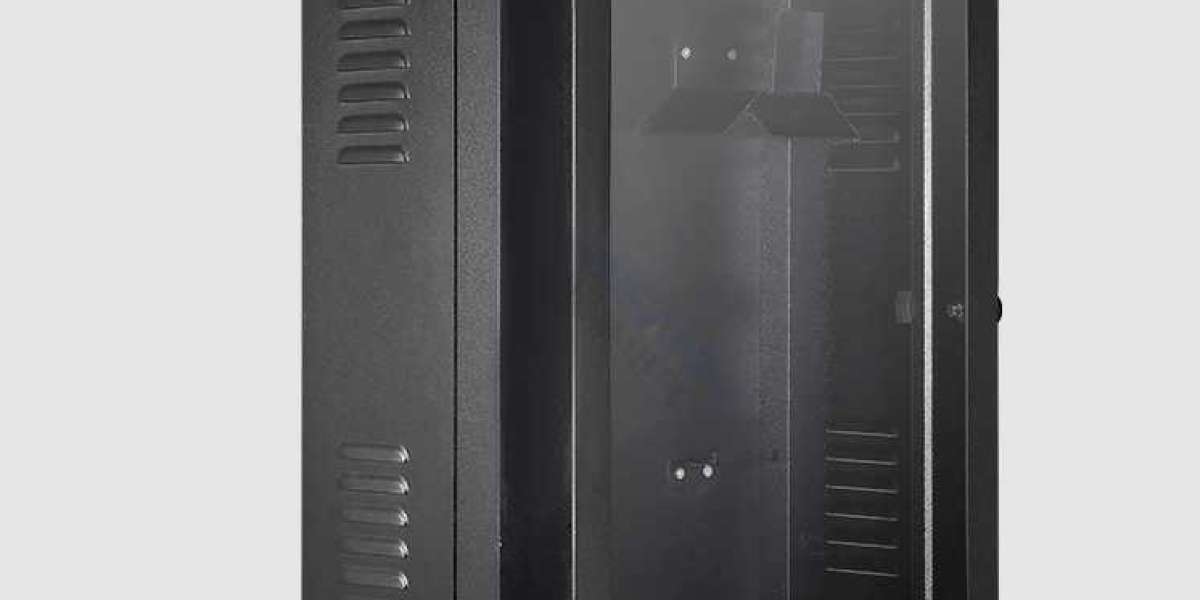

An Electrical Enclosure serves to house and protect electrical systems in facilities ranging from manufacturing plants to renewable energy installations. Its main role is to shield equipment from dust, moisture, and mechanical impacts while supporting organized wiring and component layout.
Construction materials for Electrical Enclosure include steel, aluminum, plastic, and composite materials. Metallic enclosures are robust and provide electromagnetic shielding, while non-metallic options offer lighter weight and resistance to corrosion. Customization options include modularity, internal layout, cable management, and ventilation, all designed to fit specific operational needs.
Typical applications include housing control panels, power distribution units, instrumentation systems, and automation controllers. Modular and expandable designs facilitate future upgrades without replacing the entire enclosure. In addition, features such as removable panels and internal mounting plates make maintenance more straightforward.
Environmental factors are considered in enclosure selection. IP-rated designs provide protection against dust and water ingress, making them suitable for outdoor, industrial, or coastal sites. Correct installation ensures long-term functionality and supports operational efficiency.
In summary, an Electrical Enclosure provides reliable protection and flexible organization for electrical systems. Its adaptability and range of design options support efficient operation in factories, data centers, renewable energy sites, and other infrastructure projects.