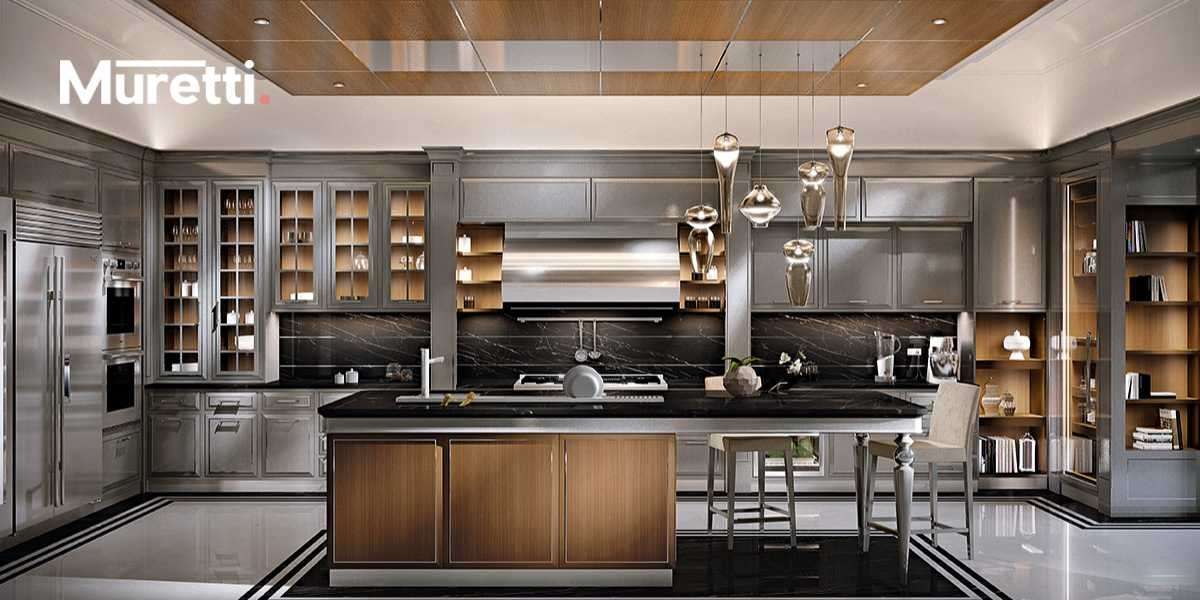

When it comes to creating delicious meals at home, an Italian kitchen is more than just a place to cook—it's a hub for tradition, flavor, and family gatherings. Whether you're renovating your space with elegant Italian kitchen cabinets or seeking authentic recipes, having the right knowledge, tools, and techniques is essential. In this guide, we’ll explore everything you need to create a functional and inspiring Italian kitchen, from must-have utensils to classic recipes and practical cooking tips.
1. Why an Italian Kitchen Is More Than Just Cooking
An Italian kitchen combines style, functionality, and culinary tradition. Unlike ordinary kitchens, it emphasizes efficiency, organization, and a warm, inviting atmosphere that encourages both cooking and socializing. By designing your kitchen around Italian principles—using thoughtful layout, high-quality Italian kitchen cabinets, and efficient tools—you create a space that inspires creativity and makes cooking a joy.
A well-organized Italian kitchen allows you to prepare meals faster, enjoy cooking more, and showcase authentic flavors that are hard to replicate elsewhere. It's not just about looks; it's about building a kitchen that supports your lifestyle.
2. Essential Italian Kitchen Tools Every Home Chef Needs
To master Italian cooking, certain tools are indispensable. Here’s a breakdown of essentials:
High-Quality Knives: A chef’s knife, paring knife, and serrated bread knife are crucial for chopping vegetables, slicing meats, and preparing fresh pasta.
Pasta Maker: Fresh pasta elevates Italian meals, and a pasta maker simplifies the process.
Cast-Iron or Stainless Steel Pans: Perfect for sautéing, frying, and simmering sauces.
Wooden Spoons and Spatulas: These preserve the flavor and integrity of your dishes without scratching cookware.
Mixing Bowls and Colanders: For preparing dough, tossing salads, or draining pasta efficiently.
Having the right tools reduces stress and ensures each dish tastes authentic. Unlike generic kitchen setups, an Italian kitchen is designed to blend functionality and tradition seamlessly.
3. Choosing the Right Italian Kitchen Cabinets
A key element of any Italian kitchen is its cabinetry. Italian kitchen cabinets are known for their elegance, durability, and ergonomic design. When choosing cabinets, consider:
Material and Finish: Opt for high-quality wood or modern laminate for durability. Matte finishes give a classic feel, while glossy finishes add a modern touch.
Storage Solutions: Pull-out shelves, lazy Susans, and deep drawers keep utensils and ingredients organized.
Aesthetic Appeal: Italian cabinets often feature clean lines, minimalist hardware, and a timeless style that complements both traditional and contemporary kitchens.
Investing in the right cabinets is a long-term solution that enhances the beauty and efficiency of your kitchen, far better than temporary, budget options.
4. Must-Know Italian Recipes to Master
No Italian kitchen is complete without mastering a few classic recipes. These dishes are easy to replicate and always impress:
Homemade Pasta: Tagliatelle, fettuccine, or ravioli made fresh elevate any meal.
Classic Sauces: Marinara, Bolognese, and pesto sauces are foundational. Learning these ensures versatility across meals.
Risotto: Creamy risotto requires attention to technique, but the result is unmatched.
Tiramisu: A simple yet elegant dessert that embodies Italian tradition.
Cooking these dishes in a well-equipped Italian kitchen ensures a seamless experience, unlike struggling in an under-equipped or disorganized space.
5. Expert Tips for an Efficient Italian Kitchen
Efficiency is key in an Italian kitchen. Follow these expert tips to optimize your workflow:
Organize Ingredients by Use: Keep frequently used items like olive oil, garlic, and herbs within easy reach.
Prep Ahead: Chop vegetables, prepare sauces, or measure spices before cooking to save time.
Maintain Clean Surfaces: A clean kitchen enhances productivity and reduces stress.
Invest in Quality Cookware: Durable pots, pans, and utensils improve cooking results and last longer.
Rotate Menus Seasonally: Use fresh, seasonal ingredients to create authentic, flavorful dishes.
These small adjustments create a smoother cooking process and a more enjoyable Italian kitchen experience compared to typical kitchens.
Conclusion
Creating a true Italian kitchen requires more than just stylish Italian kitchen cabinets; it involves careful planning, the right tools, authentic recipes, and smart cooking practices. By implementing these essentials, you can enjoy delicious meals, entertain guests with confidence, and elevate your cooking to new heights. Start today by upgrading your kitchen tools, exploring classic recipes, or designing cabinets that blend beauty and function. Transform your kitchen into a space where tradition, taste, and efficiency meet.
FAQs About Italian Kitchens
1. What makes an Italian kitchen different from a regular kitchen?
An Italian kitchen emphasizes both style and functionality. It combines efficient storage, high-quality cookware, and a warm, inviting atmosphere ideal for cooking and socializing.
2. How do I choose the best Italian kitchen cabinets?
Look for durability, material quality, ergonomic storage solutions, and a timeless aesthetic. Italian cabinets often prioritize function while maintaining elegance.
3. Which tools are essential for an Italian kitchen?
Must-have tools include chef’s knives, pasta makers, cast-iron pans, wooden utensils, and mixing bowls. These ensure authentic cooking with ease.
4. Can I cook authentic Italian dishes without special tools?
While you can cook without specialized tools, items like pasta makers and quality knives make the process easier and help achieve traditional flavors.
5. How can I make my Italian kitchen more efficient?
Organize ingredients, prep in advance, maintain clean surfaces, invest in quality cookware, and rotate menus seasonally to save time and improve results.