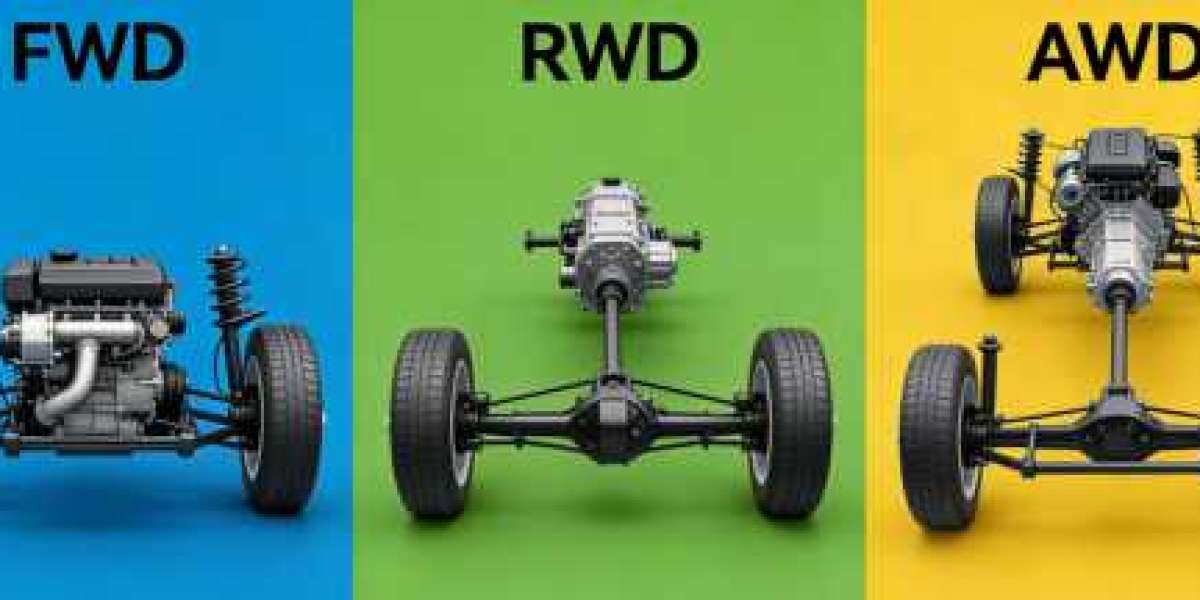

When fuel efficiency is your top priority, the drivetrain choice is clear—and Front-Wheel Drive (FWD) is the undisputed winner, with RWD and AWD falling far behind in MPG. The reason for FWD’s eco-friendly edge is its simple, lightweight design: it has far fewer moving parts than RWD and AWD, meaning less energy is wasted on powering mechanical components, and more goes to moving the vehicle forward. FWD also merges the engine, transmission and drive wheels into a compact front-mounted unit, cutting down overall vehicle weight and further boosting efficiency. RWD sits in the middle of the fuel efficiency spectrum; its rear-mounted power delivery adds a small amount of weight and mechanical drag compared to FWD, leading to a slight drop in MPG. AWD, however, is the least fuel-efficient by a significant margin. Its complex system of transfer cases, differentials and extra drivetrain components makes it much heavier, and the constant mechanical drag of powering all four wheels saps fuel quickly. A comparable AWD model will always have a lower MPG rating than its 2WD (FWD/RWD) counterparts. For drivers who want to cut gas costs, whether for daily commutes or long trips, FWD is the only choice that delivers consistent, long-term fuel savings. While AWD offers traction and RWD offers fun, neither can match FWD’s ability to keep your gas budget in check. Click here to know more.



popularne posty