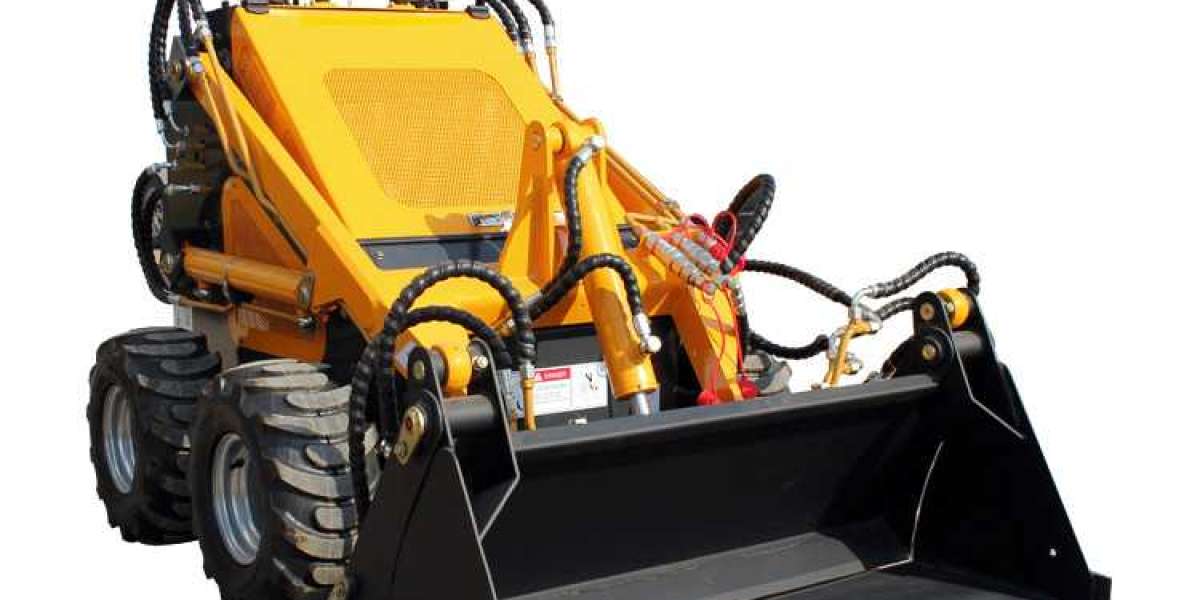

Garden Loaderneeds regular attention if you want it to deliver reliable performance and maintain its usefulness over time. Proper maintenance is not only about preventing breakdowns but also about ensuring that each part functions smoothly during routine tasks such as moving soil, transporting tools, or clearing debris around a property. When you follow a thoughtful care routine, the equipment can serve you with fewer unplanned interruptions and more consistent responsiveness.
Routine inspection is the foundation of good upkeep. Before every use, visually examine critical areas like tire condition, bolts and fasteners, belts and hoses, and places where fluid could leak. Small signs of wear are easier to address early, so starting with a systematic look‑over helps you spot issues before they develop into service needs that slow work down. For example, tires that are slightly underinflated can create resistance that strains other components over time.
Keeping equipment clean after use also contributes to long‑term performance. Yard work can involve damp soil, mulch, and fine dust, all of which can cling to surfaces and mechanical parts. Removing dirt and debris with a brush or mild rinse prevents buildup that could trap moisture or cause corrosion. Pay attention to moving parts and pivot points, as accumulated grime can create friction that impairs smooth motion.
Lubrication plays an important role in avoiding unnecessary friction in joints and linkages. Components that bear load or rotate frequently benefit from periodic light lubrication based on the manufacturer’s suggested service intervals. Applying lubricant where needed helps moving parts pivot without resistance and reduces wear caused by repeated motion under load. It’s a simple step that contributes to steadier operation throughout typical use.
Monitoring fluid levels is another aspect that supports equipment condition. Hydraulic systems, engine oil, and other vital fluids require periodic checks to maintain effective internal movement and heat regulation. Running without adequate fluid can increase abrasion inside mechanisms, so checking levels before significant use and topping up when they fall below recommended marks helps maintain smoother transitions between tasks.
Seasonal maintenance should be part of the overall care pattern. Outdoors equipment faces varying conditions through spring, summer, fall, and winter. Temperature fluctuations, moisture exposure, and long idle periods can affect belts, hoses, and electrical connections. Before busy seasons begin, take a little extra time to replace worn parts, tighten any loosened fasteners, and verify that belts have not hardened or cracked from age. These pre‑season checks help reduce surprises when workload increases.
Proper storage between uses is an often overlooked but valuable practice. When the unit is not needed for extended periods, place it in a covered, dry location to shield it from rain, frost, and direct sunlight. If indoor storage is not feasible, use protective coverings and ensure fuel tanks are not left nearly empty, as condensation can form inside metal components. Keeping the battery at proper charge also reduces stress on starting systems and extends usable life between major services.
Safety checks should always accompany general maintenance. Items like guards, shields, and brakes are designed to protect both users and the machine itself. Ensuring these features operate as intended not only reduces risk of injury but also signals when other parts may need attention. For example, if a shield consistently vibrates loose, it may point to underlying alignment or fastening issues.
Maintaining a simple log of upkeep tasks and observations helps owners manage service history. Recording dates and details of inspections, fluid changes, part replacements, and any performance notes can reveal patterns over time. In winter or slow periods, reviewing this record helps you prepare for upcoming needs without guesswork.
Taking these steps helps equipment stay ready for frequent work around gardens, lawns, landscaping tasks, and property maintenance. A measured maintenance routine contributes to steadier operation, reduces avoidable wear, and supports responsive performance throughout typical use.
For guidance on benefits, care techniques, and additional background relevant to your equipment, visit https://www.minidumperfactory.com/news/industry-news/garden-loader-benefits-types-maintenance-and-more.html
where helpful insights are shared.