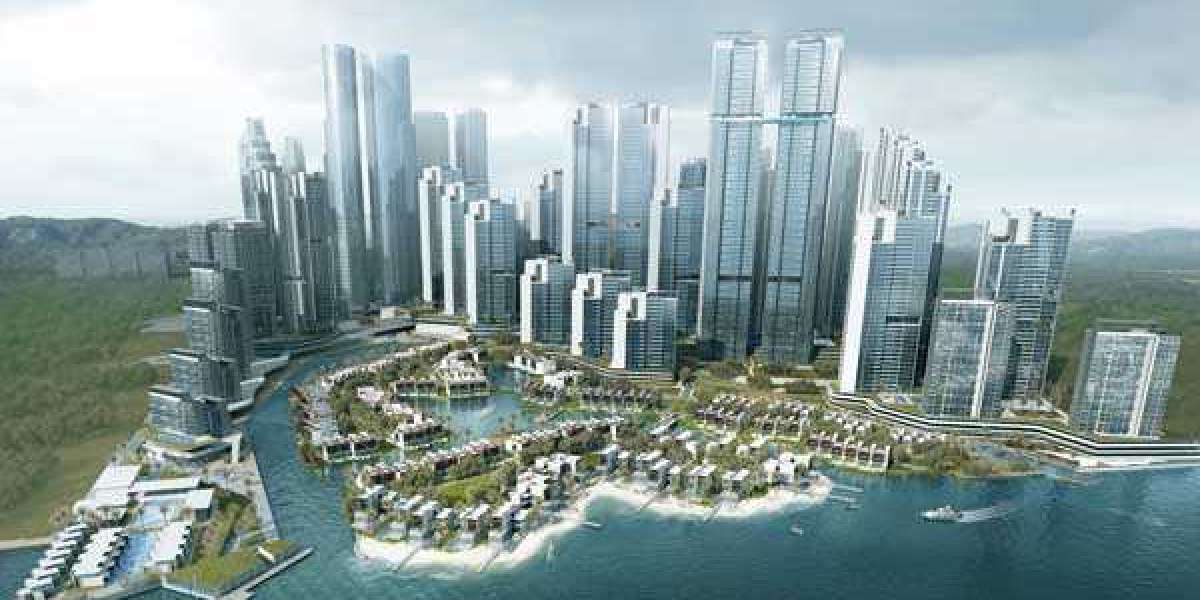

Urban living has undergone a significant transformation over the past two decades. Rapid population growth, technological advancement, and evolving lifestyle preferences have pushed developers to rethink how residential spaces are designed and built. Today’s modern real estate developments are no longer just about providing housing; they aim to create integrated communities where residents can live, work, relax, and connect with their surroundings. This shift is reshaping cities around the world and redefining what people expect from urban living.
The Shift Toward Integrated Communities
Traditional housing developments often focused solely on residential units with limited amenities. However, modern developments now prioritize mixed-use communities that combine residential spaces with commercial areas, green spaces, and lifestyle facilities. These integrated communities are designed to make daily life more convenient by placing essential services such as grocery stores, cafes, gyms, and healthcare centers within walking distance.
The concept of “live, work, and play” has become a central principle in urban planning. By integrating multiple functions into a single development, cities can reduce commuting time, improve accessibility, and create vibrant neighborhoods where residents feel more connected to their community.
Importance of Location and Connectivity
Location has always been a critical factor in real estate, but connectivity has become even more important in modern developments. Access to public transportation networks, major highways, and commercial districts significantly influences property value and livability.
Developments located near transit hubs such as metro stations or bus interchanges often attract strong demand because they provide residents with easy access to employment centers and entertainment districts. Efficient connectivity reduces travel time and contributes to a more balanced lifestyle, allowing residents to spend less time commuting and more time enjoying their surroundings.
Urban planners are increasingly prioritizing transit-oriented developments, where residential projects are built close to transportation infrastructure. These projects encourage public transport usage and help reduce traffic congestion in densely populated cities.
The Rise of Smart Homes
Technology has also become a major influence on modern residential design. Smart homes are now a key feature in many new developments, allowing residents to control lighting, security systems, and appliances through mobile applications or voice commands.
Smart technology enhances both convenience and energy efficiency. Automated lighting and climate control systems can reduce electricity consumption by adjusting settings based on occupancy and environmental conditions. Smart security features such as digital door locks and surveillance systems also improve safety for residents.
As technology continues to evolve, future residential developments are expected to incorporate even more advanced features such as artificial intelligence-powered home management systems and integrated energy monitoring solutions.
Sustainable and Eco-Friendly Design
Sustainability is another major factor shaping the future of real estate. With growing concerns about climate change and environmental impact, developers are focusing on eco-friendly construction methods and energy-efficient building designs.
Modern residential projects often incorporate green building practices such as solar panels, rainwater harvesting systems, and energy-efficient insulation. These features help reduce the environmental footprint of buildings while also lowering utility costs for residents.
Green spaces are also becoming an essential component of urban developments. Parks, rooftop gardens, and landscaped areas provide residents with access to nature and contribute to improved mental and physical well-being. In densely populated cities, these green environments play an important role in maintaining ecological balance and enhancing overall quality of life.
Community-Centered Living
One of the most notable trends in modern housing is the emphasis on community-oriented living. Developers are increasingly designing spaces that encourage interaction among residents. Shared facilities such as co-working lounges, community gardens, and recreational areas help foster a sense of belonging.
Community-focused design not only improves social connections but also creates safer and more supportive neighborhoods. Residents who interact regularly with their neighbors are more likely to develop strong social networks and contribute to a positive living environment.
In addition, many modern developments organize community events and activities to bring residents together. These initiatives can include fitness classes, cultural events, and family-friendly gatherings that strengthen the sense of community within the development.
Lifestyle Amenities and Wellness
Modern residential developments place a strong emphasis on lifestyle and wellness. Amenities such as swimming pools, fitness centers, yoga studios, and walking trails are now standard features in many high-quality housing projects.
These facilities provide residents with convenient opportunities to maintain a healthy lifestyle without needing to travel far from home. Wellness-oriented design also includes features such as natural ventilation, ample sunlight, and quiet relaxation areas that promote physical and mental well-being.
In addition, many developments now include dedicated spaces for remote work. The rise of hybrid work arrangements has increased demand for co-working spaces and quiet work zones within residential communities.
Investment Opportunities in Emerging Real Estate Markets
Real estate has long been considered one of the most reliable long-term investment options. Modern developments located in growing urban areas often offer strong potential for capital appreciation. Infrastructure improvements, new transportation networks, and urban redevelopment projects can significantly increase property values over time.
Investors are particularly interested in projects located in emerging districts that are undergoing transformation. Early investments in such areas can yield substantial returns as the neighborhood develops and attracts more residents and businesses.
Rental demand is another factor that makes modern residential developments attractive to investors. Properties located near business districts, educational institutions, and transportation hubs typically experience strong rental demand, providing a steady income stream for property owners.
The Role of Architecture and Design
Architecture plays a crucial role in shaping the appeal of modern real estate projects. Contemporary designs focus on maximizing space efficiency, natural lighting, and aesthetic appeal. Open floor plans, large windows, and flexible living spaces have become popular features in many new residential units.
Architects are also incorporating innovative design elements to create visually striking buildings that stand out in the urban skyline. At the same time, practical considerations such as ventilation, privacy, and energy efficiency remain important aspects of the design process.
High-quality architectural design not only enhances the living experience for residents but also contributes to the long-term value of the development.
The Future of Real Estate Development
The future of real estate will likely be shaped by a combination of technology, sustainability, and evolving lifestyle preferences. As cities continue to grow, developers must find innovative ways to create housing solutions that meet the needs of modern urban populations.
Smart city initiatives, renewable energy integration, and advanced construction technologies are expected to play a major role in the next generation of residential developments. These innovations will help create more efficient, environmentally friendly, and connected urban environments.
Conclusion
Modern real estate developments are redefining urban living by combining convenience, technology, sustainability, and lifestyle amenities into a single environment. The focus has shifted from simply building homes to creating complete living ecosystems where residents can enjoy a high quality of life.
Important Links
Tips to Negotiate Condo Pricing with Developers
Step-by-Step Property Buying Process for Foreigners in Singapore
Real Estate Advice for Buying Near MRT Stations in Singapore
Property Advice for Upgrading from HDB to Condo in Singapore
10 Market Insights to Property Investment in Singapore
Step by Step Process to Buy a Condo in Singapore
Guide to Buying Property in Singapore for Expats