
Understanding Teeth Grinding at Night
Teeth grinding, also called bruxism, usually happens during sleep. Because you are unconscious, you cannot control the force. That force is intense—often stronger than chewing.
Over time, grinding wears enamel down. It cracks fillings. It stresses the jaw joint. Headaches and facial pain follow. Worse, the damage adds up quietly.
Stress often triggers the habit. So do sleep disorders, bite issues, and some medications. No single cause explains every case. That uncertainty is why protection matters early.
What Is a Night Mouthguard?
Before explaining how it works, this matters. What Is a Night Mouthguard?
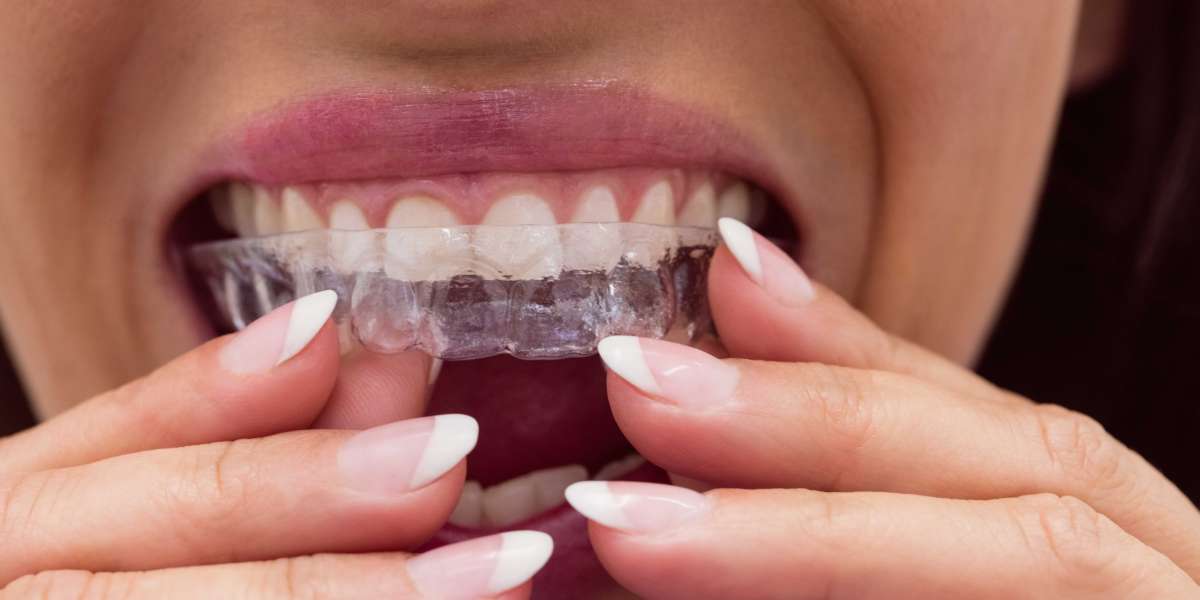
It is a removable dental appliance worn while sleeping. It fits over the upper or lower teeth and creates a protective barrier.
The device does not stop your jaw from moving. Instead, it blocks tooth-on-tooth contact. That separation changes everything.
Some guards are soft. Others are firm. Custom versions match your bite precisely. Store-bought options do not.
How Grinding Actually Damages Teeth
Grinding hurts teeth in two ways.
First, friction. When enamel rubs against enamel repeatedly, it wears down. Once enamel is gone, it does not grow back.
Second, pressure. Grinding applies vertical force. That force creates cracks and weak points in teeth and restorations.
A night mouthguard interrupts both. It absorbs force. It removes friction. Simple mechanics. Big impact.
How a Night Mouthguard Stops Tooth Damage
A night mouthguard works through separation. It keeps your upper and lower teeth from touching.
That separation prevents direct grinding. No contact means no enamel loss from friction. At the same time, the material cushions pressure.
Think of it like a shock absorber. The jaw still clenches. The force just spreads out instead of concentrating on teeth.
Over time, this reduces wear patterns. It also protects crowns, veneers, and fillings from breaking under stress.
How It Reduces Jaw and Muscle Strain
Grinding does not only affect teeth. The jaw muscles stay overworked all night.
A mouthguard slightly changes how those muscles engage. Because the bite no longer locks into a damaging position, muscles relax faster.
As a result, many people notice less jaw stiffness in the morning. Headaches often fade too. This does not mean the habit is cured. It means the strain is controlled.
Why Custom Fit Matters
Fit is not optional. It is critical.
A poorly fitting guard can shift during sleep. It can feel bulky. Some even worsen jaw pain.
Custom night mouthguards match your bite exactly. They distribute pressure evenly. They stay in place.
Over-the-counter guards often use soft materials. Those feel comfortable at first. Long term, they compress too easily and offer limited protection.
Dentists recommend custom guards for a reason. They work consistently.
Does a Night Mouthguard Stop Grinding Completely?
No. And that matters.
A night mouthguard does not cure bruxism. It manages the damage. Anyone promising a cure is overselling.
Grinding often comes from stress or neurological patterns during sleep. A guard protects teeth while those causes are addressed separately.
That honesty matters. Protection is still a win.
When a Night Mouthguard Works Best
A night mouthguard works best when used early. Before cracks form. Before jaw joints inflame.
It is also essential if you already have dental restorations. Crowns and veneers are strong—but grinding beats them eventually.
People with morning headaches, sore jaws, or flattened teeth benefit the most. Waiting usually costs more.
Common Mistakes That Reduce Effectiveness
Some users stop wearing their guard too soon. Discomfort in the first week is common. That fades.
Others skip cleaning. Bacteria buildup causes odor and wear.
Another mistake is ignoring fit changes. Teeth shift over time. A guard that once fit well may need replacement.
Maintenance matters as much as wearing it.
How Long Protection Lasts
Most custom night mouthguards last several years. That depends on grinding intensity.
Visible wear marks are normal. They show the guard is doing its job. Once the material thins or cracks, replacement is necessary.
Regular dental checkups catch that early.
Is a Night Mouthguard Worth It?
Short answer. Yes.
Compare the cost of a mouthguard to crowns, root canals, or jaw therapy. The math favors prevention.
It is not flashy. It is not trendy. It is practical.
FAQs
How often should I wear a night mouthguard?
Every night. Grinding patterns vary, and skipping nights allows damage to continue.
Can a night mouthguard help with TMJ pain?
Often, yes. By reducing muscle strain and pressure, many people feel relief. It is not a cure, but it helps manage symptoms.
Is a soft or hard night mouthguard better?
That depends on grinding severity. Mild cases may use softer materials. Heavy grinders usually need firmer guards.
How do I clean my night mouthguard?
Rinse it after use. Brush gently with non-abrasive toothpaste. Let it air dry fully before storage.
Can teeth grinding go away on its own?
Sometimes. Stress-related grinding may fade. Structural causes usually do not. Protection remains smart either way.