
The United Arab Emirates has long been recognized for its commitment to safety, innovation, and technological advancement. As the country continues to expand its infrastructure, industrial sectors, and transportation networks, security has become a central focus for both public and private organizations.
Facilities such as airports, seaports, government buildings, oil and gas installations, logistics hubs, and large construction projects require strong access control measures. One of the most important elements of this security framework is vehicle screening at entry points.
With increasing traffic and evolving security threats, traditional vehicle inspection methods are no longer sufficient. This is why many organizations across the UAE are shifting toward smart vehicle screening solutions that combine automation, imaging technology, and real-time monitoring.
Growing Vehicle Traffic at Critical Facilities
One of the main factors driving the adoption of smart screening technologies is the rapid increase in vehicle traffic across major facilities. Industrial zones, ports, and infrastructure projects receive a constant flow of delivery trucks, employee vehicles, contractor transport, and service vehicles.
Manually inspecting each vehicle can be time-consuming and may create congestion at entry points. In facilities where hundreds or even thousands of vehicles pass through daily, delays at security checkpoints can disrupt operations and reduce efficiency.
Smart vehicle screening technologies help manage this high traffic flow by allowing vehicles to be inspected quickly and accurately without long waiting times. This improves both operational efficiency and security standards.
Increasing Complexity of Security Threats
Security threats are becoming more sophisticated, requiring more advanced detection methods. Vehicles can potentially carry hidden objects, unauthorized materials, or suspicious devices that are difficult to detect through basic visual inspections.
Threats may be hidden in compartments, attached to the vehicle frame, or hidden beneath the vehicle. Traditional inspection methods such as mirrors or manual searches may not always reveal these hidden risks.
Smart vehicle screening technologies provide a more comprehensive inspection process by capturing detailed images of vehicles and identifying anomalies that might otherwise go unnoticed. This improved detection capability is a key reason why organizations are investing in modern security systems.
Limitations of Manual Inspection Processes
Manual vehicle inspections rely heavily on human observation. Security personnel documents must visually examine vehicles, check identification, and sometimes perform physical searches.
While trained security staff play a crucial role in maintaining safety, manual processes can introduce several challenges. Human fatigue, time pressure, and heavy traffic can reduce the effectiveness of inspections.
In addition, certain areas of vehicles—such as the underside—are difficult to inspect manually. These limitations create potential security gaps that could be exploited if not addressed properly.
Smart vehicle screening technologies reduce reliance on manual inspections by automating many aspects of the inspection process, ensuring consistent and reliable monitoring.
The Role of Advanced Inspection Technologies
Modern vehicle screening systems incorporate advanced cameras, sensors, and automated scanning platforms to inspect vehicles in real time. As vehicles pass through designated checkpoints, these systems capture high-resolution images and data that security operators can review instantly.
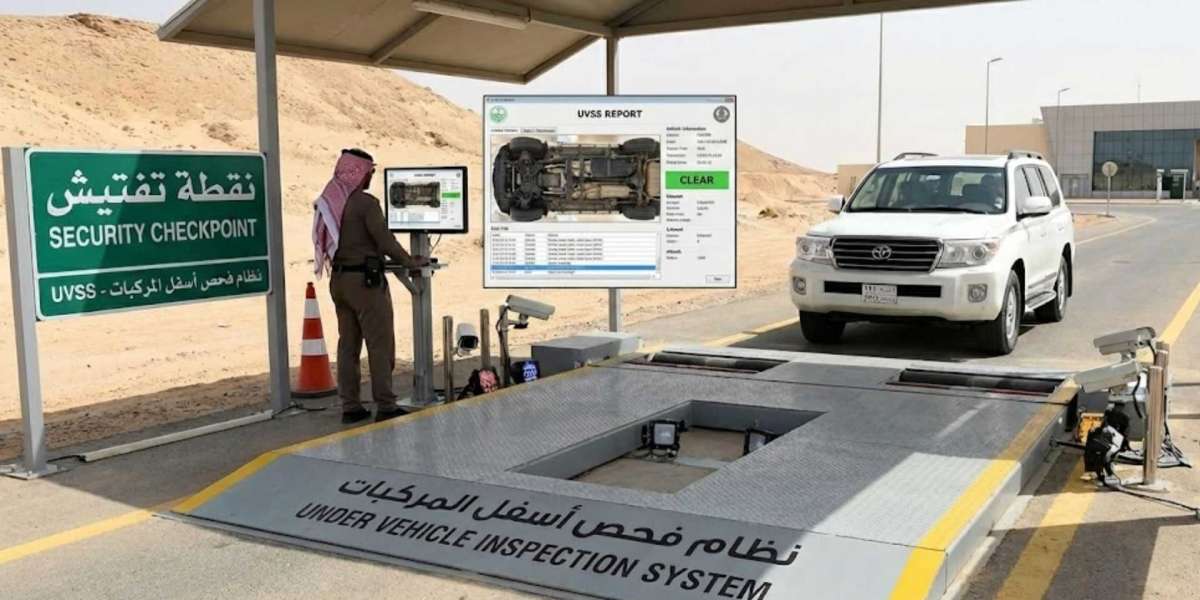
One widely used solution in modern security environments is the under vehicle inspection system , which captures detailed images of a vehicle's undercarriage. The undercarriage is often a vulnerable area because it is hidden from normal view and can be used to conceal suspicious objects.
By automatically capturing images of this area, inspection systems allow security personnel to identify anomalies quickly and accurately. This greatly improves the ability to detect hidden threats before vehicles enter restricted areas.
Improving Operational Efficiency
In addition to security enhancing, smart vehicle screening technologies also help improve operational efficiency. Automated systems can scan vehicles within seconds, allowing them to pass through checkpoints without significant delays.
This is particularly important for facilities that rely on continuous vehicle movement, such as logistics centers, ports, and construction sites. Faster inspections reduce congestion at entry points and help maintain smooth operations throughout the facility.
At the same time, these systems ensure that security standards remain high, providing a balance between safety and efficiency.
Supporting Data-Driven Security Strategies
Another major advantage of smart vehicle screening is the ability to collect and analyze data. Modern inspection systems store digital records of vehicles entering and leaving facilities, including images, timestamps, and identification details.
This information allows security teams to track vehicle activity, analyze patterns, and identify suspicious behavior. If an incident occurs, stored records can be reviewed to support investigations and improve future security measures.
Data-driven security strategies provide organizations with greater visibility into their operations and help them make more informed decisions about risk management.
Integration With Smart Infrastructure
The UAE has been actively developing smart cities and intelligent infrastructure systems. Smart vehicle screening technologies fit perfectly within this broader vision of digitally connected environments.
Vehicle inspection systems can be integrated with surveillance networks, access control platforms, and centralized monitoring centers. This integration creates a unified security ecosystem where different technologies work together to provide comprehensive protection.
For example, vehicle inspection data can be linked with license plate recognition systems and facility access control databases. This allows security teams to verify vehicle authorization automatically and detect irregularities quickly.
Preparing for the Future of Security
As the UAE continues to expand its infrastructure and global presence, the importance of advanced security solutions will only increase. Emerging technologies such as artificial intelligence and machine learning are expected to further enhance vehicle screening capabilities.
Future systems may be able to detect anomalies automatically, analyze behavioral patterns, and provide predictive alerts that help prevent security incidents before they occur.
Organizations that adopt smart vehicle screening technologies today will be better prepared to adapt to these future advancements.
Conclusion
The shift toward smart vehicle screening in the UAE is driven by several important factors, including increasing vehicle traffic, evolving security threats, and the need for more efficient inspection processes. Traditional manual inspections are no longer capable of meeting the demands of modern security environments.
Advanced technologies such as automated scanning platforms and imaging systems provide a more effective solution by improving inspection accuracy and reducing operational delays.
By investing in smart vehicle screening systems, organizations across the UAE can strengthen their security infrastructure, protect critical assets, and maintain smooth operations. As technology continues to evolve, these intelligent screening solutions will play an increasingly important role in safeguarding the nation's facilities and infrastructure.