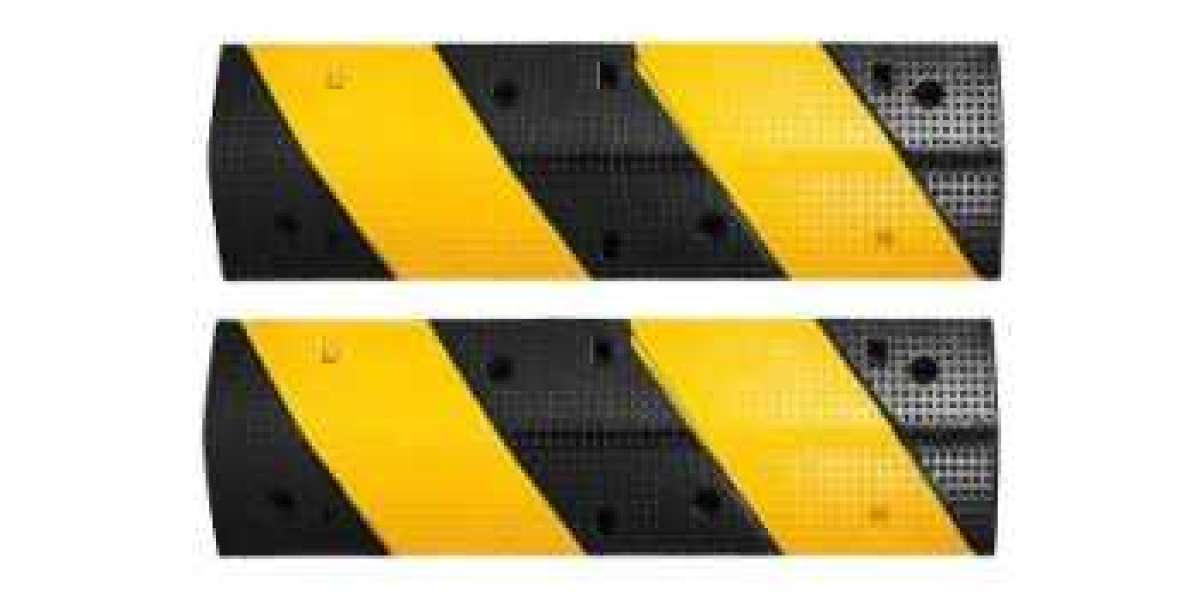

Manufacturing and Design of Speed Humps
A Speed Hump Factory specializes in producing traffic calming devices designed to slow down vehicles, especially in residential areas, school zones, and parking lots. Speed humps, sometimes referred to as speed bumps or traffic calming bumps, are wider and more gradual than traditional speed bumps. This design helps to reduce speed while causing less discomfort for vehicles, particularly those with larger wheels.
Factories typically offer both temporary and permanent solutions, with many producing modular systems that can be customized to fit different road widths and traffic flow requirements. The production process involves molding or assembling the various components, including rubber or plastic sections, reflective elements, and base plates.
Material Selection and Durability
The materials used in speed hump production are crucial for ensuring their performance and longevity. The most common materials include recycled rubber, polyurethane, and high-density plastic. These materials are chosen for their durability, ability to withstand extreme weather conditions, and resistance to wear from heavy traffic.
Recycled rubber is a popular choice due to its sustainability and impact resistance. It also provides excellent traction for vehicles and helps minimize noise. Polyurethane and high-density plastic are both lightweight and resistant to UV degradation, ensuring that the speed humps retain their structural integrity over time, even under direct sunlight.
For added durability, manufacturers may include reflective strips or raised reflective elements to ensure visibility during night-time or low-visibility conditions. This improves the safety of the road infrastructure and alerts drivers well in advance.
Customization, Quality Control, and Applications
Many Speed Hump Factories offer customization options to meet specific needs. These may include adjusting the height, width, or length of the speed hump, as well as incorporating additional features such as increased reflectivity for nighttime visibility or sound-producing elements to further encourage drivers to reduce speed.
Factories use strict quality control processes to ensure that each speed hump meets safety and performance standards. This may include impact resistance testing, weight-bearing tests, and weather durability tests to ensure that the speed humps maintain their integrity in all conditions. Additionally, certified quality management systems, such as ISO standards, ensure that the manufacturing process adheres to industry requirements for performance and environmental sustainability.
When sourcing speed humps, buyers should consider factors such as durability, the ease of installation, whether the product is suited for high-traffic areas, and the availability of customization options. Furthermore, ensuring that the product complies with local traffic safety regulations is essential for proper installation and use.
In terms of applications, speed humps are widely used in urban planning, at airports, in parking lots, and near schools or hospitals. They are a critical part of maintaining pedestrian safety and traffic flow control in environments where vehicles need to be slowed without causing damage to their suspension systems.
Overall, a Speed Hump Factory plays a vital role in enhancing road safety through the design and manufacturing of effective traffic-calming devices. The selection of high-quality materials, attention to customization, and commitment to durability are key elements that contribute to the success of speed humps in urban and residential areas.