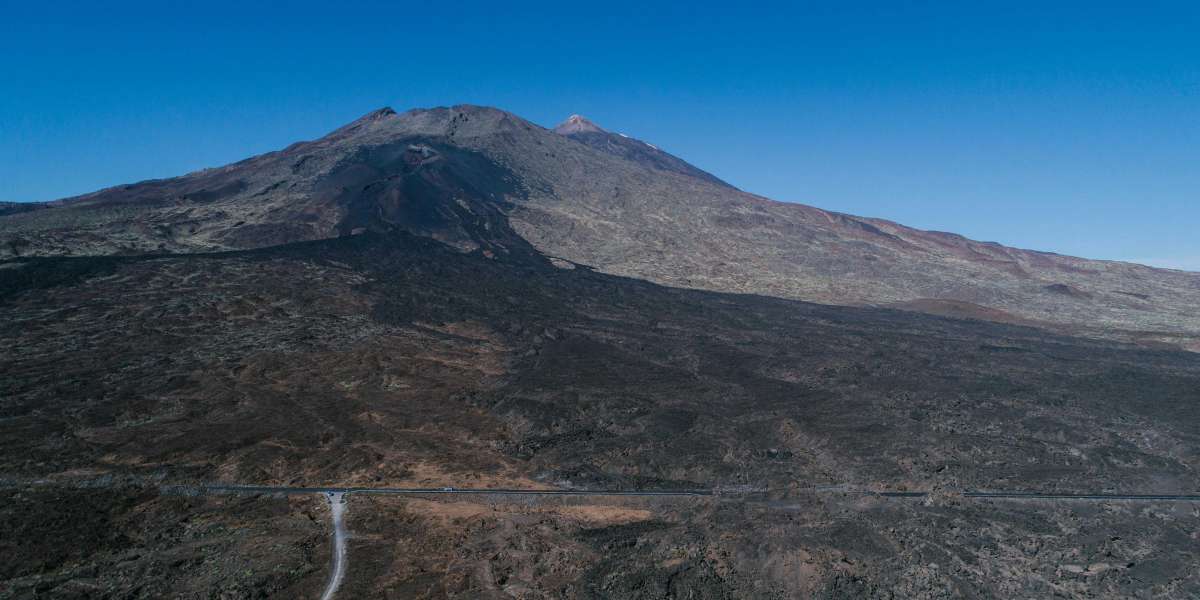

Poas volcano national park safety alert Most hotels near Costa Rica's volcano parks are straightforward places to sleep and eat before heading out for the day. Poas Volcano Lodge is something different.
The property sits on about 35 acres of highland farmland at around 5,600 feet elevation in the Central Highlands of Alajuela Province. The land is divided between coffee cultivation, pasture for horses and cattle, vegetable gardens, and patches of cloud forest that have been left intact or actively restored over the years. Guests do not just look at this from a distance. The whole setup is designed so that you are walking through it, eating from it, and understanding how it functions as a real agricultural operation.
For American travelers who are used to nature tourism meaning a guided hike or a boat tour, Poas Volcano Lodge offers a genuinely different experience. You wake up surrounded by working land. The sounds in the morning are birds, wind through the coffee plants, and the activity of a farm starting its day. It is the kind of place that tends to shift how people think about where their food and coffee come from, and it does that without being preachy about it.
The farm has been in operation since the property was established in the 1990s, and it combines traditional Costa Rican agricultural practices with a clear commitment to sustainable land management. Walking the property with a guide or on your own gives you a real sense of how highland farms in Costa Rica operate, which is genuinely interesting context whether you have an agricultural background or not.
How Their Coffee Is Grown and Processed
Coffee is the main crop at Poas Volcano Lodge, and the elevation and climate of the property make it an ideal location for growing high-quality arabica beans. Costa Rican highland coffee is some of the most respected in the world, and the Poas region specifically produces beans with a flavor profile that coffee people describe as bright, clean, and well-balanced with good acidity.
The coffee plants at the lodge grow under shade, which is a traditional method that slows the maturation of the coffee cherries and allows them to develop more complex flavors compared to sun-grown crops. The altitude, typically between 5,000 and 6,000 feet, adds to this by creating a longer, cooler growing season that concentrates the sugars in the fruit.
Harvesting is done by hand, which is standard practice for specialty coffee in Costa Rica. Pickers selectively harvest only ripe red cherries rather than stripping entire branches, which takes more time but results in a much more consistent and higher quality final product. This kind of labor-intensive harvesting is part of what separates specialty Costa Rican coffee from commodity grades.
After harvesting, the cherries go through the wet or washed processing method, which is the dominant technique in Costa Rica. The outer fruit is removed, the beans are fermented briefly to break down the remaining mucilage, then washed and dried. The result is a clean, bright cup that showcases the natural characteristics of the bean rather than any influence from the fruit drying around it.
Guests at the lodge can get a firsthand look at the entire process during harvest season, which typically runs from November through February. Walking through the coffee rows, seeing the processing setup, and ending with a cup brewed from beans grown right there on the property is one of those travel experiences that actually teaches you something useful.
Farm-to-Table Dining at the Lodge
The farm-to-table concept gets used loosely at a lot of hotels and restaurants these days, but at Poas Volcano Lodge it is pretty literal. The vegetables, herbs, and dairy products used in the kitchen come from the farm itself or from neighboring producers in the same highland agricultural zone.
The restaurant serves Costa Rican food with an emphasis on fresh, local ingredients. Breakfast typically includes eggs from the property's chickens, local cheese, fresh fruit, bread baked on site, and of course coffee grown on the slopes just outside the dining room window. It is a genuinely satisfying way to start a morning, especially before heading up to the park.
Dinner leans on traditional Costa Rican home cooking, with dishes built around local vegetables, beans, rice, grilled meats, and fresh herbs. The portions are generous and the cooking is straightforward and comforting rather than fancy. For travelers who have been eating at tourist-facing restaurants in San Jose or beach towns, the food at Poas Volcano Lodge often comes as a pleasant contrast because it tastes like something made by someone who actually knows the land the ingredients came from.
The dining room has views out over the farm and surrounding hills, and in the early morning the mist sits low over the coffee plants in a way that makes the whole scene feel a bit cinematic. It is a good spot to slow down and appreciate where you are.
Morning Nature Walks on the Property
One of the underrated features of staying at Poas Volcano Lodge is the access to guided and self-guided nature walks directly on the property, before you even drive up to the national park.
The lodge maintains trails through its cloud forest patches and along the edges of the farmland. These walks are a good way to get oriented to the highland ecosystem and start spotting birds without the crowds that can build up at the national park in mid-morning. The bird life on the property is genuinely impressive. Hummingbirds are abundant, several species of tanagers feed in the fruiting trees near the forest edge, and quetzals have been spotted on the property during the right season.
Morning is the best time for these walks without question. The mist is still low, the light is soft, and the birds are most active in the first hour or two after sunrise. If you are a photographer, the combination of the farm landscape and cloud forest vegetation in early morning light gives you material that is hard to find anywhere else in Costa Rica.
Guided walks are available through the lodge and are led by staff members who know the property well. Self-guided options are also available for guests who prefer to explore at their own pace. Either way, building in time for a property walk before driving up to Poas adds a layer to the morning that most visitors are glad they did not skip.
How Close the Lodge Is to the Park Gate
Location is one of the most practical advantages of choosing Poas Volcano Lodge as your base. The lodge sits on the road that leads directly up to Poas Volcano National Park, and the drive from the lodge to the park entrance takes about 20 to 30 minutes.
That proximity matters for a few reasons. First, it lets you time your arrival at the park for the early morning window when the crater is most likely to be clear of cloud cover. Guests who stay further away in San Jose or Alajuela face a drive of close to two hours, which means leaving very early to hit that optimal window. From the lodge, you wake up, have breakfast, and drive up in under half an hour.
Second, if the park closes on your planned visit day due to volcanic activity, you have not driven two hours only to find the gate shut. You just head back to the lodge, take a nature walk, and try again the next morning. The flexibility that comes with being this close to the park is genuinely useful, especially given how frequently closures can happen.
Always check the Poas Volcano National Park safety alert status the night before and again on the morning of your planned visit. The SINAC and OVSICORI websites both publish current alert levels and closure notices, and from the lodge you have the time and proximity to adjust your plans without stress.
Why It Appeals to Eco-Conscious Travelers
Poas Volcano Lodge has built a reputation among eco-conscious American travelers for good reasons that go beyond marketing language. The property operates on principles that are embedded in how the farm actually runs rather than just how it presents itself.
The shade-grown coffee model protects bird habitat by maintaining tree canopy over the cultivation areas instead of clearing it for higher yield sun-grown crops. The lodge has invested in preserving and restoring cloud forest sections on the property, which adds to the overall biodiversity of the area and contributes to watershed protection in the Poas region.
Energy and water use on the property follow conservation practices, and the kitchen's sourcing from local producers shortens supply chains and supports the surrounding agricultural community. The overall footprint of a stay at the lodge is lower than a comparable hotel in a more urban or developed area.
For travelers who want their trip to Costa Rica to align with the country's well-established reputation for environmental stewardship, Poas Volcano Lodge is the kind of place that makes that alignment feel natural rather than forced. https://www.travelosei.com/hello-india/poas-volcano-national-park-safety-alert
FAQs
Is Poas Volcano Lodge a good base for visiting the national park?
Yes. The lodge is about 20 to 30 minutes from the park entrance, making it one of the most convenient bases for an early morning visit to the crater.
Can guests participate in the coffee harvest at Poas Volcano Lodge?
During harvest season from November through February, guests can often observe and participate in parts of the harvesting process. Check with the lodge directly about what is available during your visit dates.
Does Poas Volcano Lodge have guided nature walks?
Yes. Both guided and self-guided walks are available on the property. Guided options are led by knowledgeable staff familiar with the local cloud forest ecosystem and bird life.
What type of rooms does Poas Volcano Lodge offer?
The lodge offers comfortable rooms and bungalows in a highland farm setting. The style is rustic but well-maintained, with an emphasis on the natural surroundings rather than resort-style amenities.
Is Poas Volcano Lodge suitable for families with children?
Yes. The farm setting, animals, coffee tour, and nature walks make it an engaging experience for kids. The property is spread out and easy to explore, and the pace is relaxed enough for families traveling with younger children.