
The term intelligent cable accessories factory represents a significant evolution in how electrical components are designed, manufactured, and delivered to global markets. This concept combines advanced automation, digital connectivity, and smart product development to create manufacturing facilities that operate differently from traditional production environments.
Core Manufacturing Technologies
An intelligent cable accessories factory utilizes advanced production equipment throughout its operations. Injection molding machines produce plastic components like cable connectors, housings, and insulating parts with consistent precision. Extrusion lines create continuous profiles, tubing, and protective sleeving materials. Compression and transfer molding equipment handle thermoset materials requiring different processing parameters than thermoplastics.
What distinguishes intelligent facilities is the integration of these technologies with digital control systems. Machines communicate with central manufacturing execution systems, adjusting parameters automatically based on real-time quality data. Sensors monitor temperature, pressure, and cycle times continuously, flagging deviations before they affect product quality.
Automation and Robotics Integration
Robotic systems perform tasks that previously required manual labor. Automated guided vehicles transport materials between production stages. Robotic arms handle insert molding operations, placing metal terminals into molds before injection. Pick-and-place systems sort and package finished components at speeds exceeding human capabilities.
For cable assembly production, fully automated cells now complete entire manufacturing sequences. These systems cut wires to length, strip insulation, crimp terminals, insert contacts into housings, and perform continuity testing without human intervention. Vision systems inspect each operation, rejecting components that fail to meet dimensional or cosmetic standards.
Smart Product Development
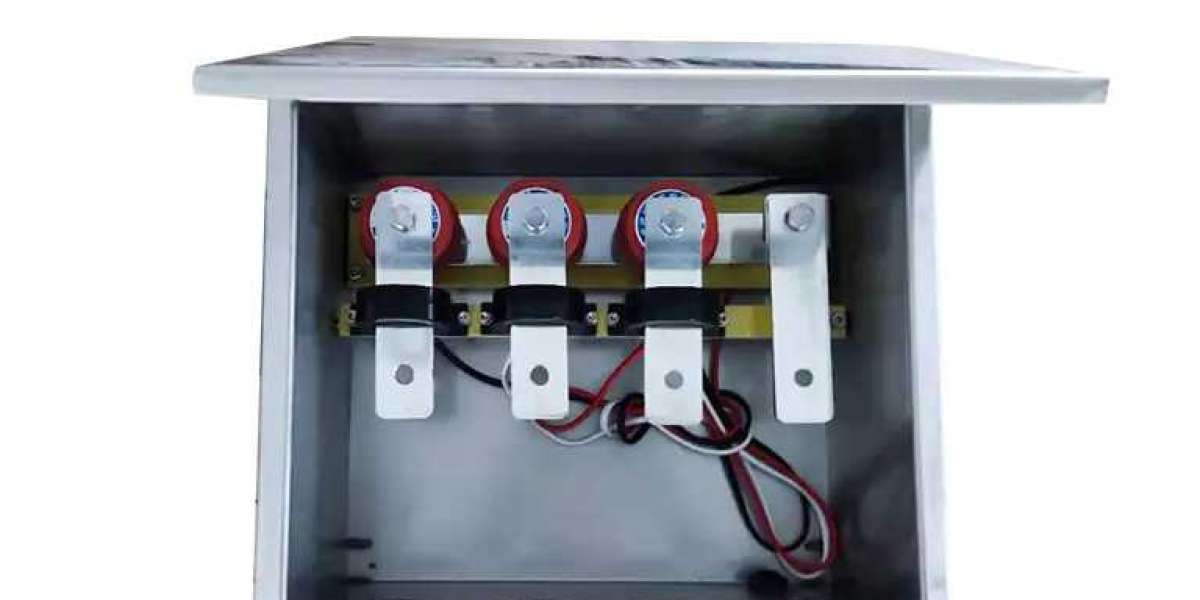
The intelligence extends beyond production processes to the accessories themselves. Manufacturers now develop cable accessories with embedded sensing capabilities. Smart connectors and joints incorporate temperature monitors, partial discharge detectors, and moisture sensors that report conditions continuously.
These intelligent components communicate with broader power distribution networks. Data from sensors is transmitted to cloud-based monitoring platforms, enabling utility operators and facility managers to track cable system health remotely. Algorithms analyze trends and predict potential failures before they occur, allowing planned maintenance rather than emergency response.
Digital Quality Management
Quality control in intelligent factories operates differently from traditional approaches. Rather than sampling finished products for inspection, these facilities monitor quality continuously throughout production. In-line testing stations verify electrical continuity, insulation integrity, and mechanical performance at multiple stages.
Every component receives a unique identifier, enabling complete traceability. Records link each finished product to specific raw material batches, machine parameters, operator identities, and test results. If questions arise about field performance, manufacturers can trace back through complete production histories.
Manufacturing Execution Systems
Central to intelligent factory operations are sophisticated software platforms. Manufacturing execution systems coordinate production scheduling, material requirements, and equipment utilization. These systems receive orders from enterprise resource planning software and translate them into detailed production instructions.
Real-time dashboards display overall equipment effectiveness, production rates, and quality metrics across all operations. Managers monitor factory performance from mobile devices, receiving alerts when processes drift from established parameters. Historical data analysis identifies opportunities for continuous improvement.
Supply Chain Integration
Intelligent factories extend their digital reach beyond their own walls. Supplier portals connect raw material providers directly to production planning systems. When inventory levels for specific resins or metals approach reorder points, automated purchase orders are generated and transmitted to approved suppliers.
Customers benefit from this integration through improved visibility. Portals allow order tracking, documentation access, and delivery scheduling. Some manufacturers provide customers with real-time production status for their orders, building transparency into supplier relationships