
Core Manufacturing Processes
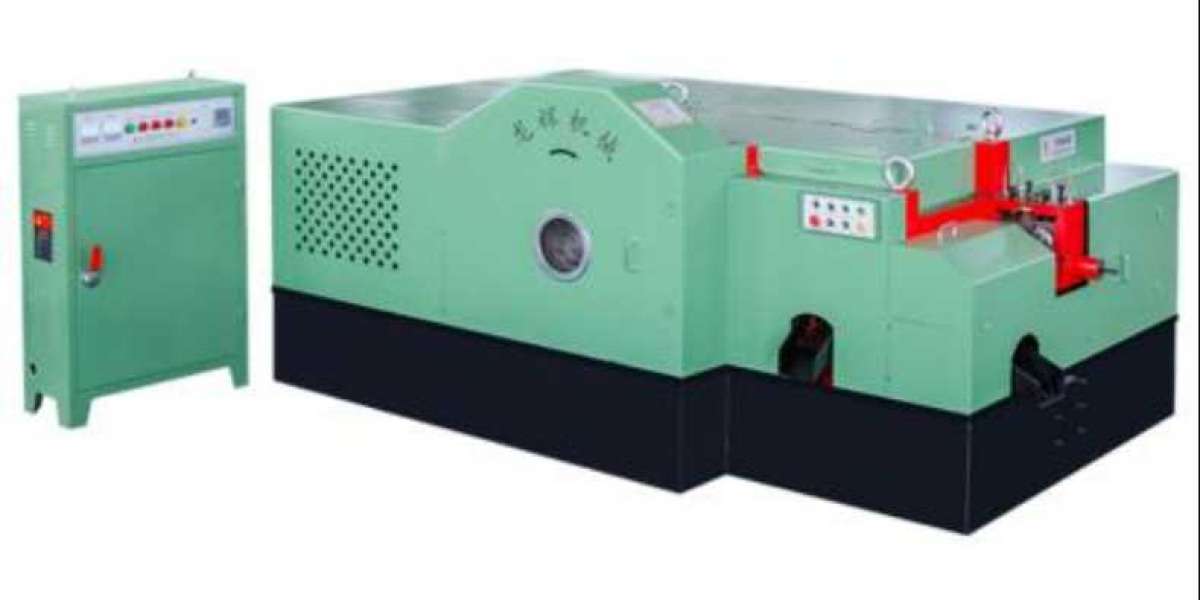
A nut machine manufacturer produces specialised equipment that creates threaded fasteners used across automotive, construction, aerospace, and machinery industries. These machines transform metal rods or wire into precision nuts through processes including cold forging, thread rolling, tapping, and finishing. The equipment must maintain extremely tight tolerances because even microscopic deviations in thread pitch or diameter can render nuts unusable for critical applications. Modern machines operate at high speeds while maintaining consistent quality across millions of produced pieces.
From Metal Wire to Finished Nut
The production process begins with coiled wire fed into straightening mechanisms that prepare material for forming. Cold heading machines cut blanks and shape the hexagonal body in rapid succession. Thread rolling then displaces material to form threads without cutting, resulting in stronger grain flow and superior fatigue resistance. Tapping machines cut internal threads for certain nut types. Finally, washing and coating systems apply protective finishes that prevent corrosion and modify friction characteristics. Every stage requires precise coordination between feeding speeds, forming pressures, and transfer mechanisms.
Types of Machines and Applications
Different nut machine manufacturer companies specialise in various equipment categories based on nut types and production volumes. High-speed cold formers produce standard hex nuts by the thousands per minute. Slower, more versatile machines handle speciality items like flange nuts, weld nuts, or prevailing torque lock nuts. Some manufacturers focus on threading machines that add threads to pre-formed blanks, while others build complete lines from wire through packaged product. Buyers select equipment based on their specific product mix, required volumes, and quality standards.
Quality Control and Precision Standards
Fastener industry standards demand exceptional consistency from nut machine manufacturer equipment. Dimensional gauges continuously sample production, checking thread pitch, major diameter, and hex size against specifications. Hardness testing ensures proper material properties after cold working. Magnetic particle or eddy current inspection detects surface cracks that could cause service failures. Machines incorporating these quality checks help nut producers maintain certifications like ISO 9001 and meet customer requirements for traceable, reliable products.
Tooling and Maintenance Considerations
Tooling represents a significant ongoing investment for nut manufacturers. Punches, dies, and thread rolls wear gradually and must be replaced or reconditioned periodically. A knowledgeable nut machine manufacturer designs tooling for maximum life and the easiest changeover. Quick-change systems minimise downtime when switching between nut sizes or styles. Comprehensive maintenance programs include lubrication schedules, wear monitoring, and spare parts availability. Manufacturers who understand production realities design equipment that maintenance teams can service efficiently.
Automation and Industry 4.0
Modern nut machine manufacturer equipment increasingly incorporates automation and data collection capabilities. Servo-driven mechanisms provide precise control over forming sequences while reducing mechanical complexity. Sensors track machine performance, alerting operators to developing issues before they cause rejects or breakdowns. Production data integrates with plant management systems for real-time visibility into output rates and efficiency. These smart capabilities help nut manufacturers optimise operations and respond quickly to changing customer demands.
Global Supply Chain Position
Nut manufacturers worldwide rely on equipment from specialised nut machine manufacturer companies concentrated in industrial regions. German, Italian, Japanese, and increasingly Chinese manufacturers compete on technology, price, and service. Buyers evaluate machine reliability, spare parts availability, and technical support when making purchasing decisions. The relationship between equipment supplier and nut producer often spans decades, with ongoing collaboration on new product development and process improvements that benefit both companies.