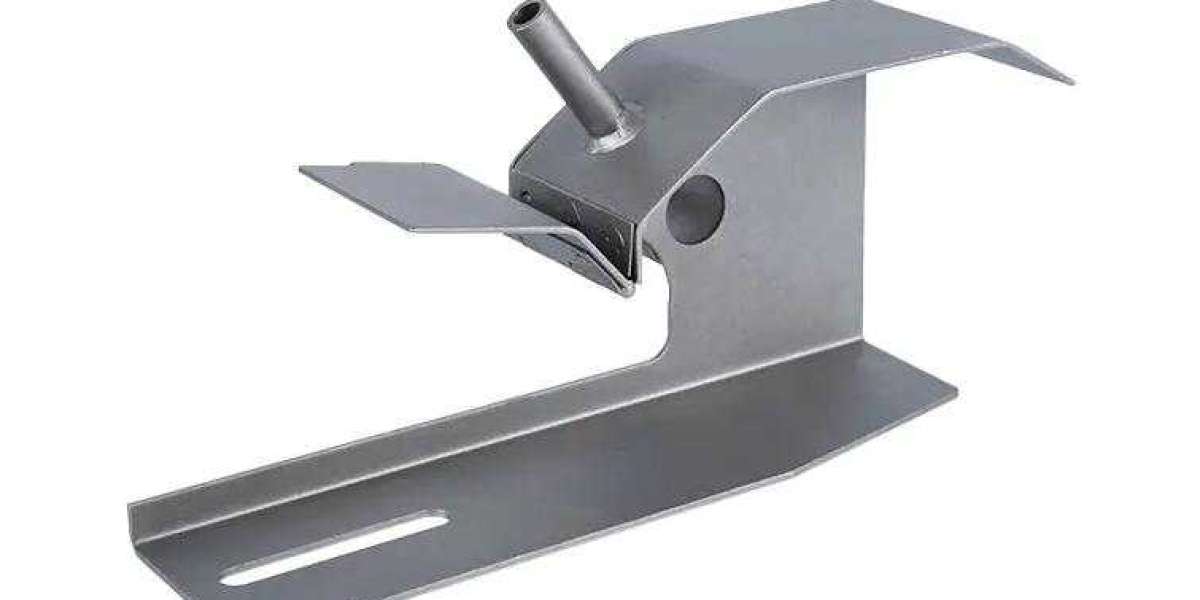

Core Manufacturing Integration
A stamping machining manufacturer combines two distinct manufacturing processes within a single operation. Stamping uses high-pressure presses to form flat metal sheets into shaped components rapidly and economically. Machining then removes material from these stamped parts to achieve precise dimensions, smooth surfaces, and features impossible through stamping alone. This integrated approach delivers components with both the efficiency of high-volume forming and the precision of material removal, serving industries where complex parts must meet tight tolerances while remaining cost-effective for mass production.
From Flat Metal to Precision Component
The production sequence begins with coil-fed stamping presses producing shaped blanks at high speeds. Progressive dies perform multiple operations with each stroke—piercing holes, forming contours, cutting profiles—until rough parts exit the final station. These stamped blanks then transferred to machining centers where operations including drilling, tapping, milling, and turning refine specific features. Critical surfaces receive final passes achieving tolerances measured in microns. A capable stamping machining manufacturer coordinates these distinct processes seamlessly, managing work-in-progress inventory and optimizing sequences for maximum efficiency.
Stamping Technologies and Capabilities
Stamping operations within an integrated facility employ various press types based on part requirements. Mechanical presses deliver rapid strokes for high-volume production of relatively simple geometries. Hydraulic presses apply controlled force throughout the stroke, ideal for deep draws and complex forms requiring material flow. Servo-driven presses combine speed with programmability, adjusting motion profiles between products. Transfer presses move parts between stations within a single machine for complex components. The stamping equipment within a stamping machining manufacturer determines what blank geometries the operation can produce efficiently before machining refinement.
Machining Operations and Precision
Following stamping, machining centers add value through material removal. CNC milling machines create precise flat surfaces, contours, and pockets. Turning operations produce cylindrical features on lathes. Drilling and tapping create threaded holes for assembly. Grinding achieves exceptional surface finishes and tight dimensional control. Multi-axis machining centers complete complex parts in single setups, maintaining relationships between features. A professional stamping machining manufacturer matches machining capabilities to part requirements, applying appropriate technology for each operation without over-specifying precision that adds unnecessary cost.
Material Considerations and Selection
Material choice affects both stamping and machining performance. Steel grades range from mild forming qualities to high-strength variants requiring greater press forces. Aluminum offers weight savings but demands different tooling and speeds. Brass and copper alloys provide conductivity and corrosion resistance. Material hardness influences tool wear in both stamping dies and cutting tools. An experienced stamping machining manufacturer guides customers toward materials that stamp well, machine efficiently, and meet final part requirements—balancing formability, machinability, and mechanical properties for optimal results.
Tooling Design and Maintenance
Dies and cutting tools represent significant investments requiring ongoing attention. Stamping dies incorporate features for cutting, forming, and part ejection, engineered for specific material thicknesses and part geometries. Machining fixtures locate stamped blanks precisely for material removal operations. Cutting tools require selection of appropriate geometries and coatings for specific materials. A well-managed stamping machining manufacturer maintains tooling inventories and schedules, replacing worn tools before they affect quality and designing new tooling for efficient changeover between production runs.
Quality Control Throughout Production
Integrated stamping and machining require quality verification at multiple stages. In-process inspection catches stamping variations before machining adds value. Dimensional verification after machining confirms critical features. Surface finish measurements validate cosmetic and functional requirements. Statistical process control tracks trends in both operations, identifying drift before parts exceed tolerance limits. A reputable stamping machining manufacturer maintains comprehensive quality documentation, providing customers with confidence that every component meets specifications regardless of production volume.