
Core Function and Purpose
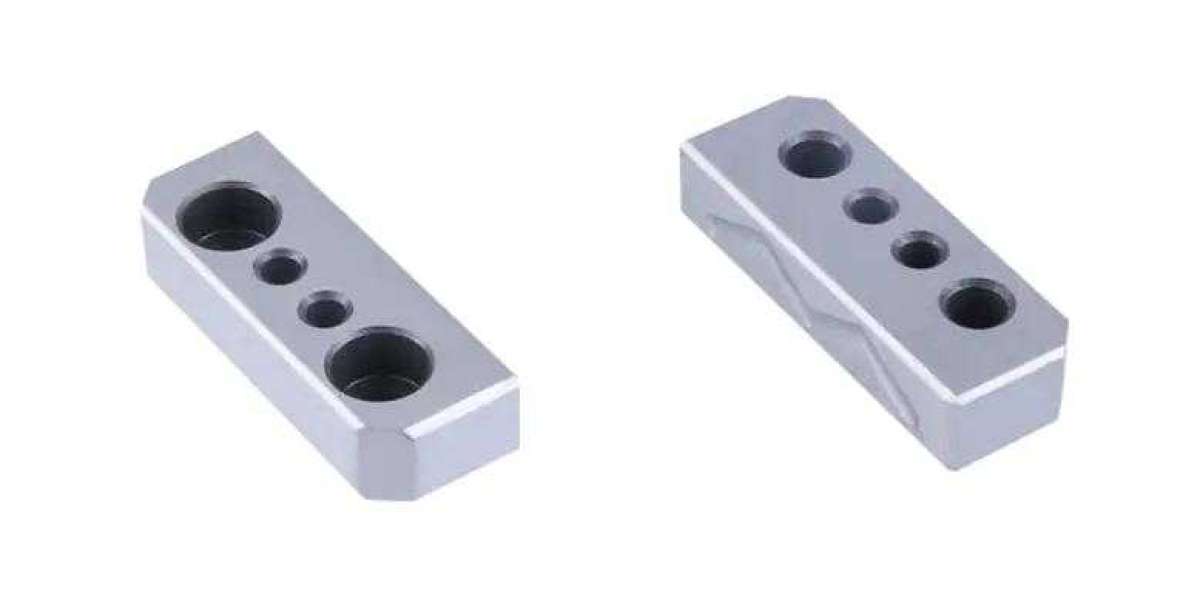
A mold wear block for sale represents a critical component designed to protect injection molds and stamping dies from friction-related damage. These precision inserts install between moving parts such as sliders, guide pins, and ejector plates, absorbing contact forces that would otherwise degrade the main mold structure. By acting as sacrificial surfaces, they extend overall tool life and maintain dimensional accuracy throughout long production runs. Manufacturers source these components to reduce maintenance costs and prevent unexpected downtime.
Common Materials Used
Different applications require specific material properties for optimal performance. Bronze alloys offer excellent wear resistance and thermal conductivity for high-speed operations. Steel wear blocks with hardened surfaces withstand heavy loads in stamping applications. Polymer-based options including POM and nylon provide self-lubricating properties for lighter duty injection molds. Copper-graphite composites deliver both strength and built-in lubrication for demanding environments. Material selection directly impacts how long a mold wear block for sale performs before replacement becomes necessary.
Key Installation Locations
Wear blocks appear throughout molds wherever metal moves against metal. Slide block and guide rail interfaces rely on them for smooth motion. Ejector plate assemblies use them to prevent binding during part ejection. Angle pin mechanisms incorporate them to reduce friction during core pulling operations. Guide pin bushings often include wear surfaces to maintain alignment. Understanding these installation points helps buyers determine exactly which mold wear block for sale suits their specific equipment configuration.
Standard Dimensions and Styles
Most wear blocks follow industry standard sizes established by major manufacturers. Metric and imperial options accommodate global equipment variations. Flat rectangular blocks serve basic sliding applications while contoured versions fit curved guide surfaces. Tapered designs adjust for wear compensation over time. Threaded mounting holes simplify installation and replacement. Buyers typically search for mold wear block for sale by specifying these dimensional standards alongside material requirements.
Quality Indicators to Examine
Several factors distinguish high-quality wear blocks from inferior alternatives. Surface flatness tolerances should fall within microns to ensure even contact. Hardness consistency across the entire block prevents premature localized wear. Edge treatments eliminate burrs that could scratch mating surfaces. Certification documentation confirms material composition and heat treatment specifications. Reputable suppliers provide these quality assurances with every mold wear block for sale.
Pricing Factors and Considerations
Cost varies significantly based on material, size, and precision requirements. Bronze-based blocks typically command higher prices than polymer alternatives. Larger dimensions increase material costs proportionally. Tighter tolerances require additional machining operations that affect final pricing. Volume purchases often qualify for quantity discounts. Buyers evaluate these factors when budgeting for mold wear block for sale across multiple molds or replacement intervals.
Supplier Selection Criteria
Choosing the right source involves evaluating several business factors. Inventory availability affects lead times when urgent replacements become necessary. Technical support helps match products to specific applications. Minimum order quantities may influence purchasing decisions for smaller shops. Shipping costs and delivery times impact total procurement expense. Experienced buyers develop relationships with suppliers who consistently deliver quality mold wear block for sale with reliable service.
Inventory Management Strategies
Smart buyers maintain appropriate stock levels to minimize downtime. Critical molds may justify keeping spare wear blocks on hand. Standard sizes used across multiple machines offer inventory efficiency. Tracking wear rates helps predict replacement timing and optimize order quantities. Consumable budgets account for regular wear block replacement as part of normal maintenance. This proactive approach ensures mold wear block for sale availability exactly when needed.
Installation Best Practices
Proper installation maximizes wear block service life. Mounting surfaces must be clean and free of debris before attachment. Torque specifications for mounting screws prevent both loosening and distortion. Lubrication requirements vary by material and should follow manufacturer recommendations. Alignment verification ensures even contact with mating surfaces. Following these practices protects the investment made in each mold wear block for sale.