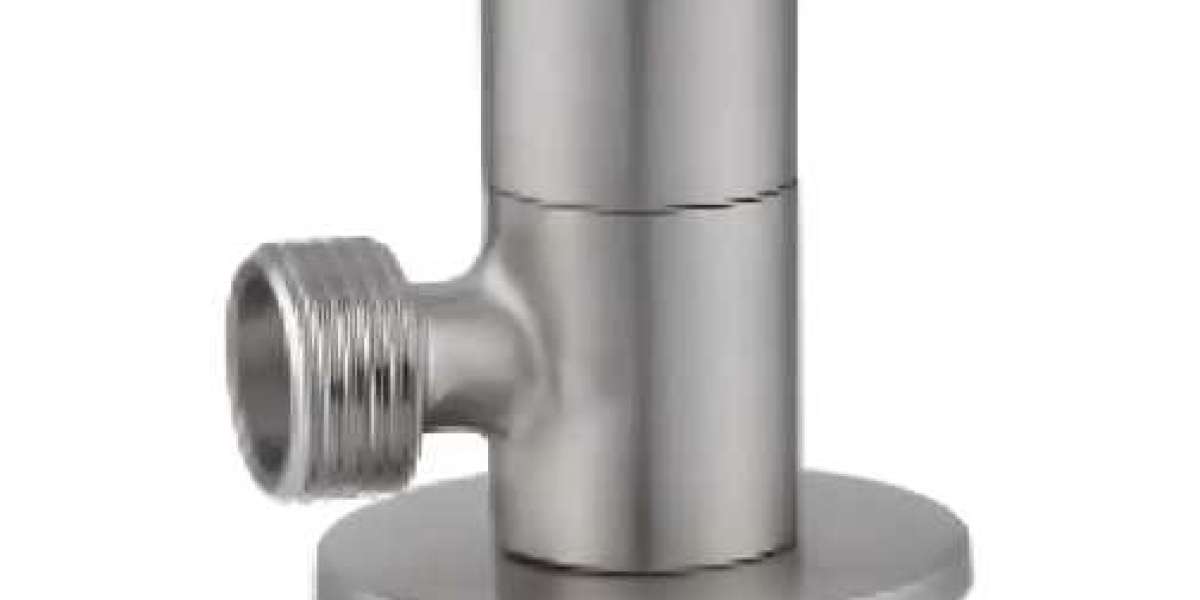

Core Product Definition
Angle valve manufacturing produces specialized shut-off valves with outlets oriented at ninety-degree angles to inlets, creating the characteristic L-shape that gives these components their name. Also called triangle valves or corner valves, these compact devices install where water lines connect to faucets, toilets, and appliances in residential and commercial plumbing systems. The right-angle configuration allows installation in tight spaces behind fixtures where straight valves would not fit. Manufacturers produce millions of these essential components annually, serving new construction, renovation, and replacement markets worldwide.
Primary Functions in Plumbing Systems
Angle valves serve multiple critical functions within plumbing installations. They connect supply lines to fixtures through flexible hoses, adapting different thread types and sizes as needed. The integrated shut-off mechanism allows individual fixture isolation without shutting down entire building water supplies. Pressure regulation capabilities in some designs reduce excessive inlet pressure protecting downstream fixtures. Emergency shut-off access enables quick response to leaks or hose failures. These functions make angle valves indispensable for practical plumbing system operation.
Materials Selection
Material choice fundamentally affects angle valve performance and application suitability within angle valve manufacturing operations. Forged brass dominates residential and commercial applications offering excellent corrosion resistance, machinability, and cost effectiveness. Lead-free brass alloys comply with drinking water regulations across North America and Europe. Stainless steel variants serve high-end applications and aggressive water conditions. Engineering plastics provide lightweight, non-corroding options for specific applications where metal contact poses concerns. Material certifications provide documentation supporting code compliance and quality assurance requirements.
Forging Processes
Hot forging represents a primary production method within angle valve manufacturing for metal components. Raw material cut to precise lengths heats to forging temperature before transfer to die cavities. High-pressure presses shape the heated material, forcing it to fill die details forming rough valve body contours. Flash material extruded between die halves requires subsequent trimming. Grain flow following part contours during forging produces superior mechanical properties compared to casting. This process delivers strength and reliability essential for pressure-containing components.
Machining Operations
Precision machining transforms forged blanks into finished valve bodies within angle valve manufacturing facilities. CNC lathes perform turning operations creating sealing surfaces, thread diameters, and external profiles. Drilling units create flow passages connecting inlet and outlet ports. Thread cutting or rolling produces accurate thread forms meeting international standards including NPT, BSP, and metric configurations. Sealing surface machining achieves surface finishes essential for leak-free operation. Multi-station machining centers complete multiple operations in single setups ensuring dimensional consistency.
Assembly Processes
Angle valve assembly combines multiple precision components within angle valve manufacturing facilities. Valve stems with integrated seals install into body bores, engaging with threads or retaining mechanisms. Seats may install as separate components or machined directly into bodies. Handles or knobs attach to stems through screws or press-fit connections. Bonnet nuts or retaining rings secure stem assemblies preventing blowout under pressure. Automated assembly equipment installs components consistently at production speeds reaching twenty units per minute on modern lines.
Quality Control and Testing
Stringent quality measures protect angle valve manufacturing reputation and customer satisfaction. Incoming material verification confirms alloy composition and mechanical properties. Dimensional inspection using gauges and optical comparators verifies conformance to specifications. Pressure testing validates body integrity and seat sealing at ratings exceeding service conditions. Air-under-water testing detects microscopic leaks invisible to other methods. Torque testing verifies operating forces remain consistent and appropriate. Documentation provides traceability supporting quality system certifications.