
Core Product Definition
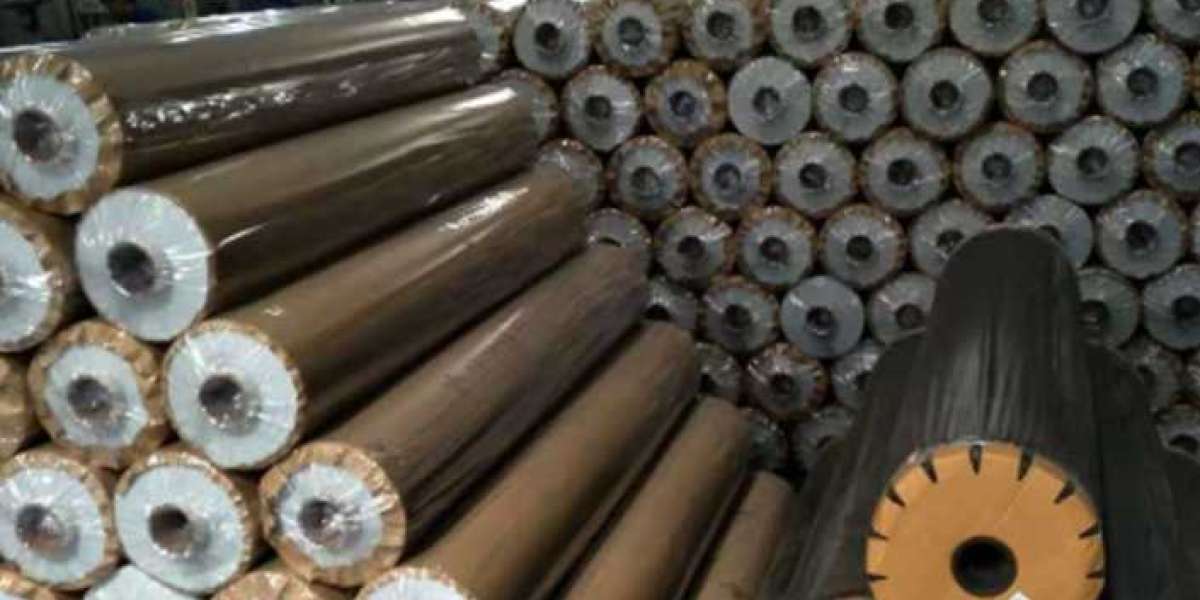
PVC automotive decorative film is a specialized self-adhesive material used to change or enhance the appearance of vehicle surfaces. This flexible polyvinyl chloride film is applied to car exteriors for full color changes, accent stripes, and graphic designs, as well as to interiors for trim customization. The film combines a durable PVC backing with a pressure-sensitive adhesive that bonds securely to painted surfaces while allowing clean removal when desired. Available in countless colors, finishes including gloss, matte, satin, and textured effects, and specialty options like carbon fiber or chrome appearances, this material has revolutionized vehicle personalization for both professional installers and DIY enthusiasts.
Cast Versus Calendered Film Technology
PVC automotive decorative film is manufactured using two distinct processes that determine performance characteristics. Cast film production involves liquid PVC compounds spread onto casting sheets and passed through ovens with controlled temperature gradients, allowing solvents to evaporate and forming thin, flexible films. This process creates premium films with superior conformability around complex curves and recesses, minimal shrinkage over time, and excellent durability for full vehicle wraps. Calendered film production uses solid PVC pellets heated and rolled between calendar rollers to achieve desired thickness. These films are more economical but stiffer, making them suitable for flat or gently curved surfaces such as hood stripes, roof wraps, and decorative accents rather than full vehicle coverage requiring extensive stretching.
Material Composition and Properties
High-quality PVC automotive decorative film consists of multiple layers engineered for specific functions. The topcoat provides UV resistance preventing color fade and yellowing over years of outdoor exposure. The PVC base layer contains pigments for color and plasticizers determining flexibility and conformability. Some films incorporate metallic flakes or pearlescent additives for special visual effects. The adhesive layer, typically acrylic-based, provides secure bonding while allowing repositioning during installation. The release liner protects the adhesive until application. Premium films achieve tensile strength of sixty newtons per centimeter and elongation at break exceeding two hundred fifty percent, ensuring they stretch and conform without tearing during installation around complex vehicle contours.
Automotive Applications and Uses
PVC automotive decorative film serves diverse applications across vehicle customization. Full vehicle wraps transform entire car appearances with color changes impossible through traditional painting. Partial wraps cover specific areas for accent graphics, racing stripes, or commercial advertising. Interior trim applications customize dashboards, center consoles, and door panels with decorative finishes. Paint protection applications use clear films that shield original paint from stone chips and road debris. Blackout design treatments, such as tesa 7190, create contrast by covering chrome trim and pillars with matte or gloss black film for modern aesthetic effects.
Manufacturing Process and Quality Control
Production of PVC automotive decorative film involves sophisticated manufacturing processes with rigorous quality control. Raw materials including PVC resin, plasticizers, stabilizers, and pigments undergo incoming inspection verifying composition and consistency. Casting or calendering lines operate under precisely controlled temperatures and pressures monitored continuously by PLC systems. Coating applications apply adhesive in cleanroom environments meeting Class 1000 standards preventing contamination that could affect adhesion. Machine vision systems inspect film surfaces for defects including scratches, bubbles, pinholes, and discoloration with high accuracy. Statistical process control software analyzes production trends issuing early warnings for abnormal fluctuations before defects occur.
Adhesive Technology and Installation Features
The adhesive system in PVC automotive decorative film determines installation ease and long-term performance. Solvent-based acrylic adhesives provide aggressive tack and permanent bonding for professional applications. Water-based acrylic formulations offer repositionability during installation. Air-egress technology creates microscopic channels in the adhesive layer allowing trapped air to escape during squeegee application, preventing bubbles that mar appearance. Some films incorporate structured liners that lower initial tack, making films easier to position before final bonding.