
Understanding the Basic Tool Definition
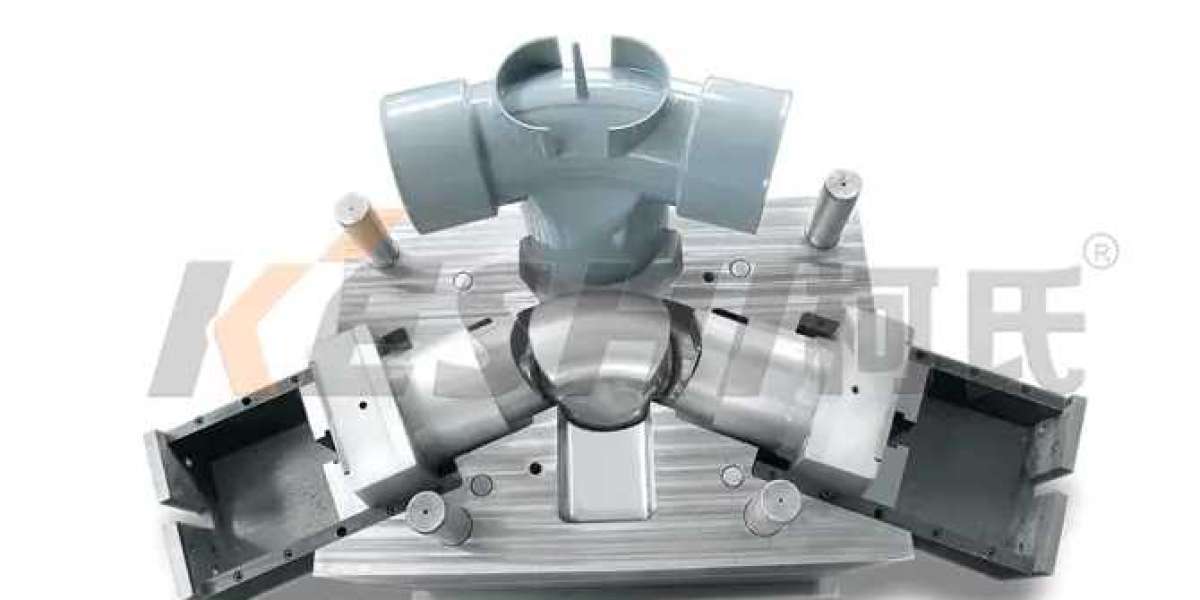
A pipe fitting mould is a precision-engineered tool used to manufacture the various connectors, elbows, tees, couplings, and adapters that join pipes in plumbing, irrigation, and industrial fluid handling systems. These moulds create complex internal and external geometries that must seal perfectly under pressure while allowing fluid flow. Unlike simple solid parts, pipe fittings require moulds with intricate core systems to form hollow passages and precise thread forms for secure connections. The quality of each pipe fitting mould directly determines whether finished fittings will leak, fail under pressure, or provide reliable service for decades in residential and commercial plumbing systems.
Types of Fittings Produced with Moulds
A wide range of essential plumbing components rely on pipe fitting mould technology for consistent production. Elbow moulds create the curved fittings that change pipe direction around obstacles, available in various angles from forty-five to ninety degrees. Tee moulds produce three-way connectors that branch flow to different directions. Coupling moulds create straight connectors that join two pipe sections end to end. Reducer moulds produce fittings that transition between different pipe diameters. Adapter moulds create threaded ends that connect plastic pipes to metal fittings or fixtures. Each type presents unique mould design challenges to ensure proper function and leak-free performance.
How Pipe Fitting Moulds Are Manufactured
Complex Core and Cavity Design
Creating a pipe fitting mould requires sophisticated engineering to form hollow passages within the finished part. Retractable cores slide into position before injection, creating the internal flow path, then withdraw after the plastic solidifies to allow part ejection. Threaded cores must rotate during withdrawal to unscrew from formed threads without damaging the fitting. Multi-part moulds with multiple slides and cores create complex geometries such as reducing tees where flow passages change diameter within the fitting. The precise coordination of these moving elements must be maintained through thousands or millions of production cycles.
Material Selection for Precision Moulds
The construction materials for pipe fitting moulds must withstand the pressures and wear of high-volume production while maintaining precise dimensions. Hardened tool steels such as H13 and S7 provide the wear resistance needed for long production runs of abrasive materials like glass-filled polypropylene or PVC. Stainless steel may be specified for moulds producing fittings for corrosive fluid handling applications. Critical wear areas such as thread-forming cores and shut-off surfaces may receive special coatings like titanium nitride or chrome plating to extend service life. The high precision required for sealing surfaces demands materials that maintain dimensional stability through thermal cycling.
Machining Complex Geometries
Manufacturing a pipe fitting mould requires advanced machining capabilities to create the intricate cavities and moving components. Five-axis CNC machining centers cut complex curved surfaces that form fitting geometry. Electrical discharge machining creates sharp internal corners and fine details that cannot be reached with cutting tools. Thread grinding produces precision thread forms in cores that will create matching threads in finished fittings. Jig grinding achieves the tight tolerances required for moving components that must slide smoothly while maintaining sealing contact. Skilled mold makers assemble and fit these precision components, ensuring proper timing of cores and slides.
Why Pipe Fitting Mould Quality Matters for Plumbing Systems
Pressure Rating and Safety
The quality of a pipe fitting mould directly affects the pressure rating and safety of finished plumbing components. Moulds that create consistent wall thickness ensure fittings can withstand rated pressures without weak points. Proper gate placement prevents knit lines that could create failure paths under pressure. Accurate thread formation ensures secure connections that will not leak or blow apart when pressurized. For plumbing systems carrying potable water or hazardous fluids, these quality factors are essential safety considerations that protect property and health.
Sealing Surface Precision
Leak-free pipe connections depend on precisely formed sealing surfaces from the pipe fitting mould. Thread forms must meet international standards such as NPT or BSP to ensure compatibility with fittings from other manufacturers. Socket depths for solvent welding must be accurate to create strong, permanent joints.