
requirements of the cutting application.
Precision Forming and Fabrication
Understanding the Basic Tool Definition
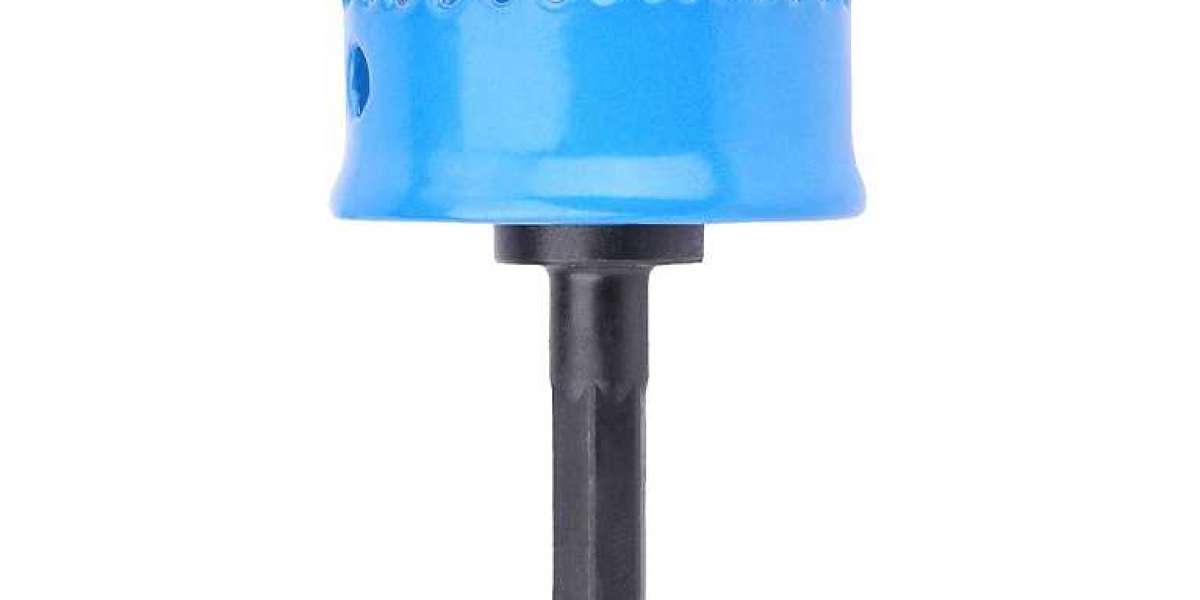
A thin-wall hole saw is a specialized cutting tool designed to create precise circular cuts in materials where minimal material removal and reduced cutting force are essential. Unlike standard hole saws with thicker walls, these tools feature significantly thinner cylinder walls that remove less material, require less power to operate, and produce cleaner cuts in delicate applications. The thin-wall design is particularly valuable for cutting through finished surfaces, thin-gauge metals, plastics, and composite materials where preserving surrounding material integrity is critical. These tools are essential for professional trades including electrical work, plumbing installations, automotive repair, and precision fabrication.
Core Design Characteristics
The defining feature of any thin-wall hole saw is its reduced wall thickness compared to conventional hole saws. This thinner profile, typically measuring significantly less than standard saws, creates several operational advantages. Less material contact during cutting reduces friction and heat generation, extending blade life and improving cut quality. Reduced cutting resistance means lower torque requirements, allowing use with smaller, more maneuverable power tools. The narrower kerf wastes less material, important when cutting expensive sheet goods or when precise hole placement is critical. These characteristics make thin-wall saws the preferred choice for applications where precision and material conservation matter most.
How Thin-Wall Hole Saws Are Manufactured
Material Selection for Thin-Wall Construction
Manufacturing thin-wall hole saws requires materials that maintain strength and cutting performance despite reduced cross-section. High-speed steel provides excellent edge retention and heat resistance while allowing the thinner wall construction necessary for precision work. Bi-metal construction combines tough steel bodies with high-speed steel cutting edges, offering durability with the thin-wall profile. Carbide-tipped versions provide maximum edge life for abrasive materials while maintaining the thin-wall advantage. The material must be carefully selected to balance the thin-wall benefits against the strength
The production of thin-wall hole saws involves specialized forming operations that create the characteristic cylindrical shape with uniform thin walls. Deep drawing processes transform flat steel blanks into seamless cylinders with consistent wall thickness throughout. Precision welding joins ends for certain designs, requiring exact control to maintain wall thickness at the seam. Heat treatment follows to achieve optimal hardness, with careful temperature control preventing distortion of the thin-walled structure. Each manufacturing step must maintain the precise dimensional control that gives thin-wall saws their performance advantages.
Tooth Grinding and Geometry
Cutting performance depends critically on the tooth geometry ground into thin-wall hole saws. Precision grinding operations create tooth profiles optimized for specific materials, with variations in tooth count, rake angle, and set pattern. Finer tooth counts with more teeth per inch produce smoother cuts in thin materials, while coarser patterns provide faster cutting in thicker stock. Variable tooth spacing reduces vibration and chatter during cutting, particularly important for thin-wall designs that may be more susceptible to harmonic vibrations. The grinding quality directly determines cut smoothness, cutting speed, and tool life.
Quality Control and Testing
Rigorous quality systems distinguish professional thin-wall hole saws from inferior alternatives. Dimensional inspection verifies that wall thickness, diameter accuracy, and concentricity meet design specifications within tight tolerances. Hardness testing confirms proper heat treatment results across the tool. Cutting tests on standardized materials verify performance claims and identify any manufacturing defects. Visual inspection examines tooth geometry and surface finish for consistency. These quality measures ensure that every saw delivers the precision cutting performance users expect.