
Understanding the Core Product Definition
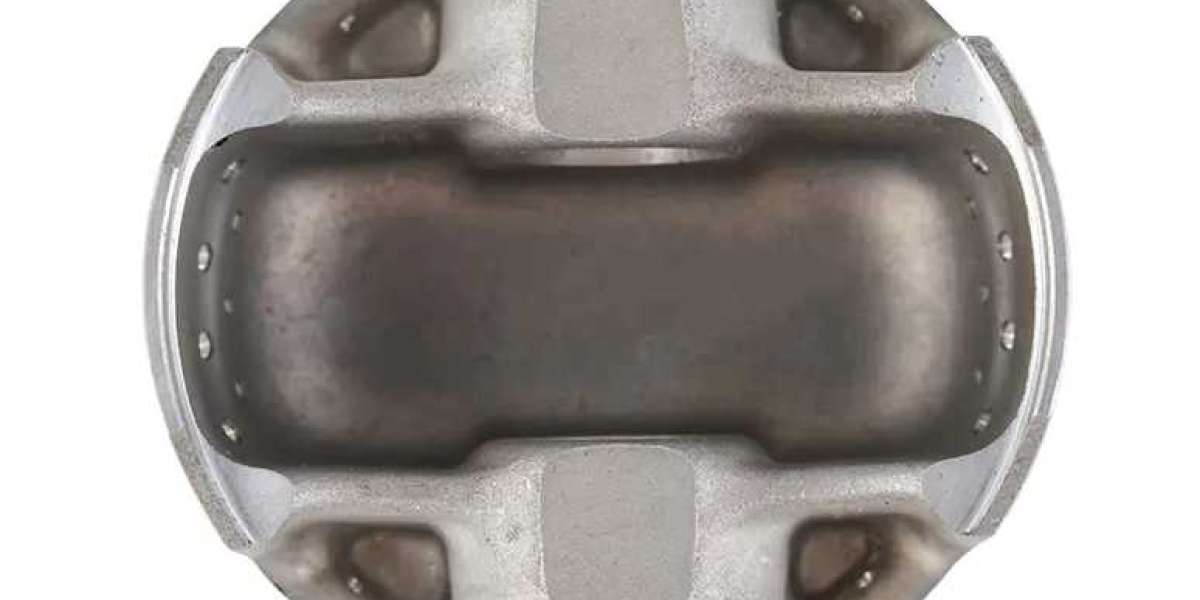
High-performance forged pistons are precision engine components manufactured through a forging process that creates superior strength and durability compared to standard cast pistons. Unlike cast pistons where molten metal is poured into molds, forged pistons are created by applying tremendous pressure to solid aluminum billets, forcing the material into desired shapes while aligning the grain structure along stress lines. This manufacturing method produces pistons with exceptional fatigue resistance, able to withstand the extreme forces, temperatures, and pressures encountered in racing engines, forced induction applications, and high-RPM performance builds. These pistons represent the pinnacle of piston technology for enthusiasts and professionals seeking maximum engine output and reliability.
Material Selection for Extreme Conditions
The aluminum alloys used in high-performance forged pistons are specifically formulated to withstand the extreme conditions of racing and high-output engines. These alloys typically contain higher silicon content than standard materials, providing enhanced wear resistance at the piston skirt where contact with cylinder walls occurs. Additional alloying elements including copper, nickel, and magnesium contribute to high-temperature strength, preventing piston deformation under the tremendous combustion pressures of turbocharged and nitrous applications. The forging process allows the use of these specialized alloys that might be difficult to cast, providing material properties optimized for the most demanding performance applications.
How High-Performance Forged Pistons Are Manufactured
The Forging Process Explained
Manufacturing high-performance forged pistons begins with carefully controlled aluminum billets of specific alloy composition. These billets are heated to precise temperatures that make the material pliable but not molten, then placed between precision-machined dies in massive forging presses. The press applies hundreds of tons of force, forcing the aluminum to flow into the die cavity and assume the rough piston shape. This extreme pressure aligns the material's grain structure to follow the piston's contours, creating a component with exceptional strength along stress lines. The resulting forging blank contains the basic piston geometry but requires extensive additional machining to achieve final dimensions.
CNC Machining to Final Specifications
After forging, the rough piston blanks undergo extensive CNC machining that creates the final precision geometry. Multi-axis machining centers cut the piston skirt to exact diameter specifications with tolerances measured in microns, ensuring proper cylinder fit. Wrist pin bores are machined with precisely controlled location and surface finish to accept the connecting rod. Ring grooves are cut to exact widths and depths required for compression and oil control rings. Valve relief pockets are machined into the piston crown to provide clearance for valves at top dead center. Each operation requires meticulous precision, as even microscopic deviations can affect engine performance and reliability.
Heat Treatment and Surface Finishing
Following machining, high-performance forged pistons undergo heat treatment processes that optimize their mechanical properties. Solution heat treating dissolves alloying elements into a solid solution, followed by rapid quenching that traps these elements in place. Artificial aging then precipitates fine particles within the aluminum matrix, dramatically increasing strength and hardness. Some manufacturers apply specialized surface treatments, including friction-reducing skirt coatings that minimize cylinder wall contact and improve cold start protection. Thermal barrier coatings on piston crowns may reduce heat transfer to the piston, lowering operating temperatures in extreme applications. These finishing processes fine-tune the piston properties for specific performance requirements.
Why Choose High-Performance Forged Pistons for Racing Engines
Superior Strength for High Cylinder Pressures
Racing engines and forced induction applications generate cylinder pressures far exceeding those of standard engines. Turbocharged, supercharged, and nitrous-equipped engines can produce combustion pressures that would crack or deform cast pistons over time. High-performance forged pistons withstand these extreme forces through their superior material properties and grain-aligned construction. The forging process eliminates the porosity that can occur in castings, removing potential failure initiation points.