
Understanding the Basic Definition
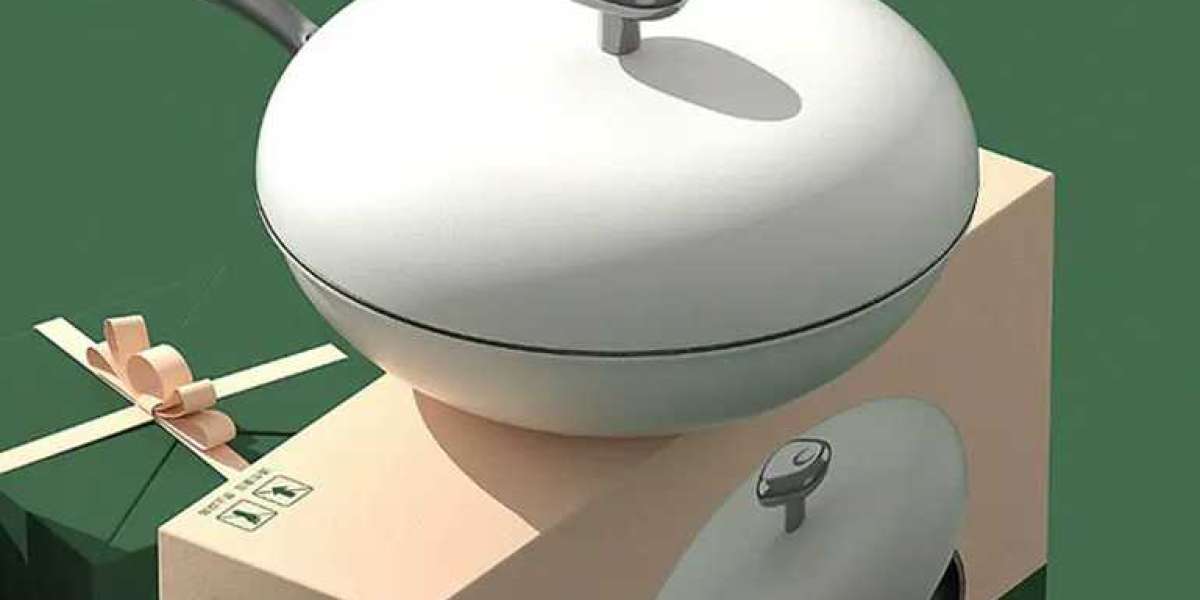
Non-stick kitchen pans are cooking vessels featuring a specialized surface coating designed to prevent food from adhering during the cooking process. This characteristic allows for cooking with minimal oil or fat, makes flipping and turning foods easier, and significantly simplifies cleanup after meals. The non-stick property is achieved through application of synthetic materials like polytetrafluoroethylene or ceramic-based coatings that create a low-friction surface. These pans have become essential tools in modern kitchens, particularly valued for cooking delicate items like eggs, fish, and pancakes that would otherwise stick to uncoated surfaces.
Common Applications in Home Cooking
The versatility of non-stick kitchen pans makes them indispensable for countless everyday cooking tasks. Breakfast preparations including eggs, pancakes, and French toast rely on the non-stick surface for perfect release and easy flipping. Lunch sandwiches and grilled cheese develop even browning without sticking. Dinner items like fish fillets, delicate vegetables, and stir-fries benefit from the reduced oil requirements and simple cleanup. The non-stick surface also proves valuable for cooking sticky foods like rice dishes or sauces that would otherwise leave stubborn residues on conventional pans.
How Do Non-Stick Coatings Work
The Science Behind Non-Stick Technology
The non-stick property of these pans results from specialized coatings that create surfaces with extremely low coefficients of friction. Traditional non-stick kitchen pans utilize polytetrafluoroethylene, commonly known by the brand name Teflon, which features molecular structure that prevents other materials from bonding to its surface. This fluoropolymer coating creates a slick barrier between the pan metal and food, allowing even the most delicate items to release easily. More recent innovations include ceramic-based coatings derived from silica that create smooth, glass-like surfaces with similar non-stick properties through different chemistry.
Coating Application Methods
Manufacturing non-stick kitchen pans involves precise application processes that bond the coating to the base metal. The pan surface undergoes preparation including cleaning, etching, and priming to ensure proper adhesion. Liquid coating materials are applied through spraying or rolling techniques, followed by curing at high temperatures that fuse the coating to the pan. Multiple coating layers may be applied, with each layer serving specific functions from corrosion protection to the final non-stick surface. The quality and thickness of these coatings directly affect the pan's performance and longevity.
How to Care for Non-Stick Kitchen Pans
Proper Cleaning Techniques
Maintaining non-stick kitchen pans requires cleaning methods that preserve the delicate coating surface. Hand washing with warm water, mild dish soap, and soft sponges or cloths removes food residues without abrasion. Harsh scrubbers, steel wool, and abrasive cleaners scratch and degrade non-stick surfaces, accelerating coating failure. Allowing pans to cool before cleaning prevents thermal shock that can cause coating delamination. For stubborn residues, soaking with warm soapy water loosens food without requiring aggressive scrubbing that damages the non-stick layer.
Appropriate Utensil Selection
The tools used with non-stick kitchen pans significantly impact coating longevity. Wooden, silicone, nylon, or plastic utensils glide across the surface without scratching. Metal utensils including spatulas, whisks, and spoons cut into the coating, creating scratches that worsen with continued use. These scratches not only mar appearance but also provide pathways for coating degradation and potential food adhesion. Even minor scratches can accumulate over time, eventually leading to flaking and reduced non-stick performance that necessitates pan replacement.
Storage Practices That Protect
How non-stick kitchen pans are stored affects their condition between uses. Stacking other pans directly inside non-stick surfaces creates contact that can scratch coatings, particularly if heavier pans press down on the non-stick layer. Placing soft barriers like paper towels, dish cloths, or felt pan protectors between stacked pans prevents this damage. Hanging pans individually eliminates contact risks entirely. Dedicated storage space that prevents contact with other cookware preserves non-stick surfaces for longer service life.