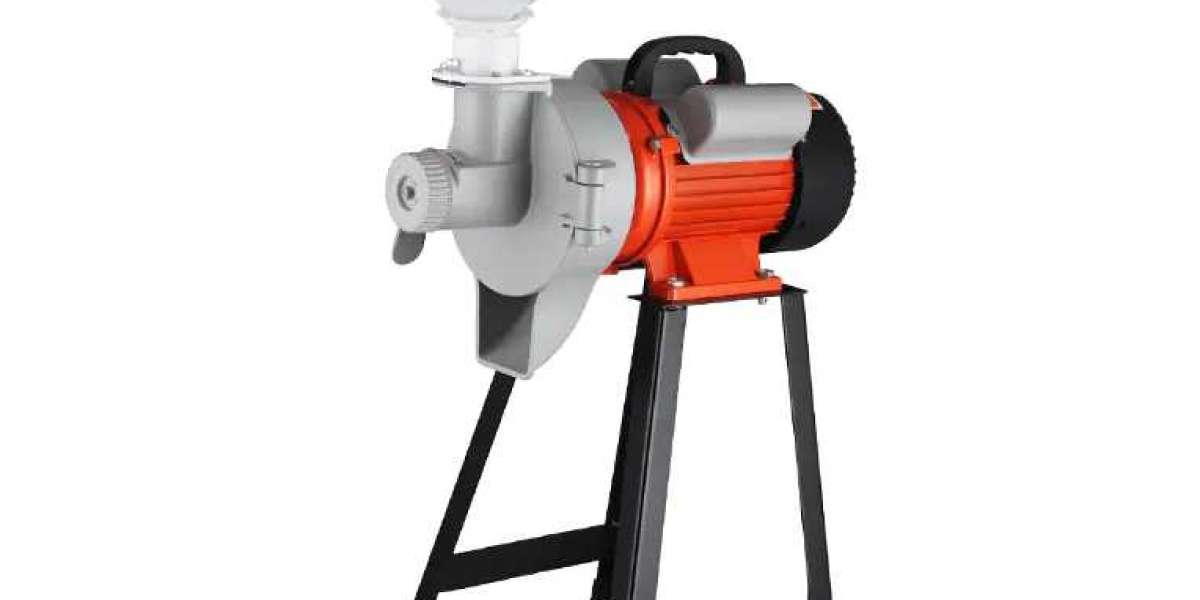

Understanding the Basic Machine Definition
A grain grinding machine is a mechanical device designed to reduce whole grains into smaller particles, meal, or flour for human consumption or animal feed. These machines operate by applying mechanical force to break down the kernel structure through various mechanisms including impact, attrition, shearing, or compression. The resulting particle size can be controlled by adjusting machine settings or changing screens to produce everything from coarse cracked grains to fine, powdery flour. From small home mills to massive industrial grinders, these machines have been essential to food processing for thousands of years, evolving from stone mortars to sophisticated electric mills with precise particle size control.
The Evolution of Grain Milling Technology
The history of grain grinding machines reflects human innovation in food processing. Ancient methods using stone mortars and pestles evolved into rotary hand querns and later water-powered and wind-powered mills. The Industrial Revolution brought roller mills and hammer mills that dramatically increased throughput and consistency. Modern electric grain grinders incorporate advanced materials, precision engineering, and safety features that make home grain processing accessible and efficient. This evolution continues with new technologies that preserve nutrients while achieving desired textures for various culinary applications.
What Types of Grain Grinding Machines Are Available
Hammer Mills for Versatile Grinding
Hammer mills represent one of the most common types of grain grinding machines, particularly for animal feed production and medium to coarse human food applications. These machines use rapidly rotating hammers that strike the grain, shattering it into smaller particles. Screens with specific hole sizes control the final particle size, with material retained in the grinding chamber until it is small enough to pass through. Hammer mills are versatile, handling various grains and producing consistent results. They excel at grinding fibrous materials and grains with higher moisture content than roller mills can handle effectively.
Disc Mills for Fine Flour Production
Disc mills, also called plate mills, use two abrasive discs with textured surfaces to grind grain between them. One disc rotates while the other remains stationary, or both rotate in opposite directions. The gap between discs determines the fineness of the final product, with smaller gaps producing finer flour. Disc mills are excellent for producing fine, uniform flour from dry grains and are popular for home and small commercial use. Stone disc mills preserve the traditional character of stone-ground flour while offering modern efficiency and adjustability. These grain grinding machines are particularly valued by artisanal bakers seeking the distinctive qualities of stone-ground flour.
Roller Mills for Industrial Production
Roller mills use a series of cylindrical rollers rotating at different speeds to crush and shear grain kernels. These grain grinding machines dominate industrial flour production because they efficiently separate endosperm from bran and germ, allowing production of refined white flour. Roller mills produce uniform particle sizes with minimal heat generation, preserving flour quality. They are less common for home use due to their size and complexity but represent the standard for commercial flour milling. Multiple roller passages progressively reduce grain to desired fineness while separating fractions for different flour types.
Burr Mills for Traditional Grinding
Burr mills use two abrasive surfaces, one stationary and one rotating, with the gap between them determining grind fineness. These grain grinding machines can use metal or stone burrs, each offering different characteristics. Stone burrs produce cooler grinding and are preferred for preserving nutrients and natural grain flavors. Metal burrs are more durable and can achieve finer grinds. Burr mills are popular for home use because they offer excellent control over grind consistency and can handle various grains from wheat and corn to rice and oats.
How to Choose the Right Grain Grinding Machine
Capacity Requirements and Usage Volume
Selecting a grain grinding machine begins with assessing how much grain will be processed and how often. Home users grinding occasional batches for fresh flour have different needs than small bakeries producing daily bread or farmers processing animal feed. Small electric mills with capacities of one to two cups per minute suit most home needs. Larger commercial operations require machines capable of hundreds of pounds per hour. Understanding throughput requirements ensures the chosen machine will meet needs without excessive investment in capacity that will never be used.