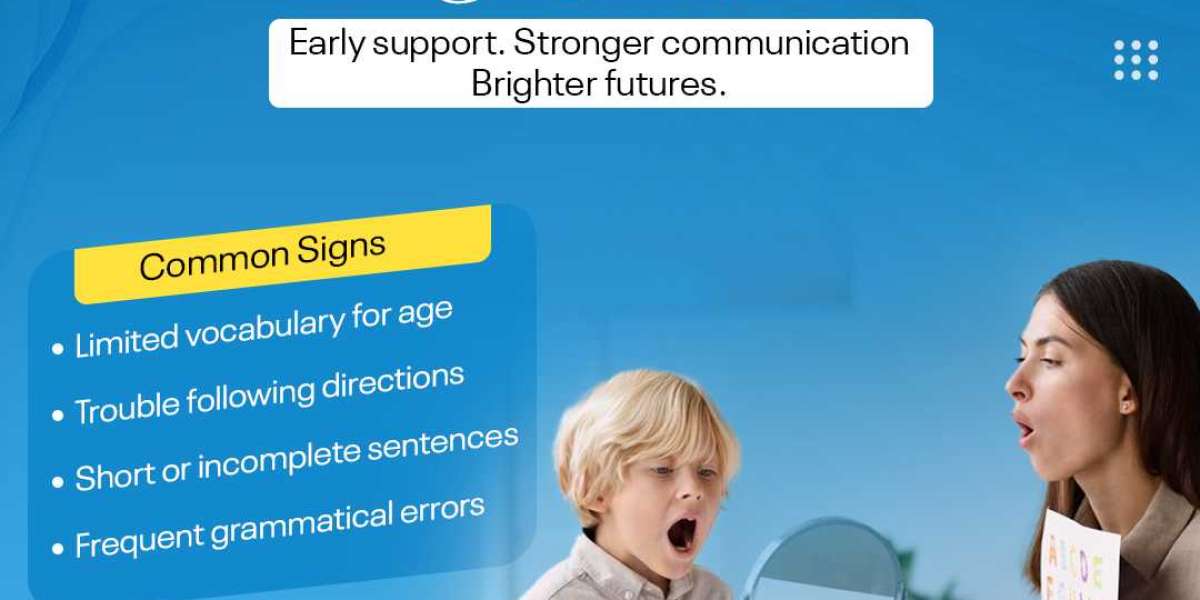

Language development is a crucial part of a child’s overall growth, influencing how they communicate, learn, and interact with the world. However, Language Disorders in Children can disrupt this process, making it difficult for children to understand or express themselves effectively. These challenges often go unnoticed in early stages, yet they can significantly impact academic performance and social confidence.
Recognizing the signs early and understanding the role of intervention is essential. Speech therapy plays a vital role in helping children overcome communication barriers, develop language skills, and improve their quality of life. This article explores the causes, symptoms, and most importantly, the importance of timely therapeutic support, especially for families exploring options like speech therapy in Delhi.
What Are Language Disorders in Children?
Language disorders refer to difficulties in understanding (receptive language) or using (expressive language) words and sentences. These are not simply delays but can involve persistent challenges that affect communication skills over time.
Types of Language Disorders
- Receptive Language Disorder: Difficulty understanding spoken or written language
- Expressive Language Disorder: Trouble expressing thoughts, ideas, or feelings
- Mixed Receptive-Expressive Disorder: Combination of both challenges
Children with these conditions may struggle with vocabulary, sentence formation, or following instructions. Unlike temporary speech delays, these disorders require structured intervention.
Common Causes
- Developmental delays
- Hearing impairments
- Neurological conditions
- Genetic factors
Understanding the root cause helps in designing effective treatment strategies tailored to each child’s needs.
Early Signs and Language Milestones Parents Should Watch
Early identification is critical when dealing with Language Disorders in Children. Parents should closely monitor developmental progress, especially during the formative years.
Language Milestones for 3 Year Old
By the age of three, most children typically:
- Use 3–5 word sentences
- Understand simple instructions
- Ask basic questions
- Have a vocabulary of around 200–1,000 words
If a child struggles to meet these milestones, it may indicate a need for professional evaluation.
Warning Signs of Language Disorders
- Limited vocabulary for age
- Difficulty forming sentences
- Trouble understanding instructions
- Lack of interest in communication
Early intervention can prevent these challenges from escalating into long-term difficulties, especially in school environments.
Why Is Speech Therapy Important for Children?
Speech therapy is one of the most effective approaches to managing and improving Language Disorders in Children. It focuses on building essential communication skills through structured and personalized techniques.
Key Benefits of Speech Therapy
- Improves vocabulary and sentence structure
- Enhances listening and comprehension skills
- Builds confidence in communication
- Supports academic readiness
Speech therapists use evidence-based methods such as play-based learning, repetition, and interactive exercises to engage children effectively.
Long-Term Impact
Without proper intervention, language disorders can affect:
- Academic performance
- Social interactions
- Emotional development
Speech therapy helps children develop the skills needed to succeed both in school and everyday life, making it a critical component of early childhood care.
What to Expect from Speech Therapy Sessions?
Understanding the therapy process can help parents feel more confident and involved in their child’s progress.
Assessment and Diagnosis
Therapy usually begins with a detailed evaluation of the child’s:
- Language abilities
- Cognitive skills
- Social communication
Customized Treatment Plans
Each child receives a personalized plan that may include:
- Vocabulary-building exercises
- Sentence formation practice
- Listening activities
- Interactive games
Role of Parents in Therapy
Parental involvement is crucial. Therapists often guide parents on:
- Practicing exercises at home
- Encouraging communication in daily routines
- Reinforcing positive behavior
Families seeking speech therapy in Delhi can find a range of qualified professionals offering structured programs tailored to individual needs.
How to Support a Child with Language Disorders at Home
While professional therapy is essential, home support plays an equally important role in improving outcomes for children.
Practical Strategies for Parents
- Talk frequently: Engage your child in daily conversations
- Read together: Storytelling enhances vocabulary and comprehension
- Use simple language: Clear and concise sentences help understanding
- Encourage expression: Give your child time to respond
Creating a Supportive Environment
Consistency and patience are key. Children learn best in environments where they feel safe and encouraged to communicate without fear of judgment.
Combining home support with professional guidance ensures steady progress and builds long-term communication skills.
Conclusion
Language Disorders in Children can present significant challenges, but with early identification and the right intervention, children can develop strong communication abilities. Speech therapy plays a vital role in addressing these disorders by improving language skills, boosting confidence, and supporting overall development.
Understanding developmental milestones, recognizing early signs, and seeking timely help are crucial steps for parents and caregivers. Whether exploring structured programs or considering speech therapy in Delhi, the focus should always remain on consistent support and evidence-based practices. With the right approach, children can overcome language barriers and achieve meaningful progress in both academic and social settings.
Frequently Asked Questions (FAQs)
1. What causes language disorders in children?
Language disorders can result from developmental delays, hearing problems, neurological conditions, or genetic factors. In some cases, the exact cause may not be clear, but early diagnosis helps in managing the condition effectively.
2. At what age should I be concerned about my child’s speech?
Parents should monitor early milestones closely. If a child is not speaking simple sentences or understanding instructions by age three, it may be time to consult a specialist for evaluation.
3. How effective is speech therapy for language disorders?
Speech therapy is highly effective when started early. It helps improve communication skills, enhances comprehension, and builds confidence, leading to better academic and social outcomes over time.
4. Can language disorders be cured completely?
While not all language disorders can be completely cured, many can be significantly improved with consistent therapy and support. Early intervention greatly increases the chances of positive outcomes.