
Things to Do in Varanasi Varanasi is one of those cities that genuinely requires orientation before you arrive. The city is ancient, dense, and operates on a spatial logic that takes some getting used to for anyone coming from a western urban background. A practical varanasi city guide helps you understand not just what to see but how the city is structured, which neighborhoods work for which types of travelers, how to read the ghat system, and how to move between the historical core and the more modern parts of the city efficiently. Whether you are planning your first visit or returning for a deeper exploration, this things to do in Varanasi guide gives you the geographic and practical foundation to experience Varanasi on its own terms.
Understanding the Layout of Varanasi City Before Arriving
Varanasi city is essentially divided into three distinct zones that a good varanasi city guide needs to address clearly. The old city, locally called the kashi, is the dense historical core that runs along the western bank of the Ganges. This is where the ghats, the ancient temples, the silk weaving neighborhoods, and the famous street food culture are concentrated. The Cantonment area, developed during British colonial rule, is the more orderly, spacious part of the city where the railway station, airport road, better-maintained hotels, and modern commercial areas are located. Between these two zones is the transition area around Lanka, Godowlia, and the BHU campus that contains the university, markets, and middle-ground accommodation options.
The Most Important Ghats in This Ancient Varanasi City
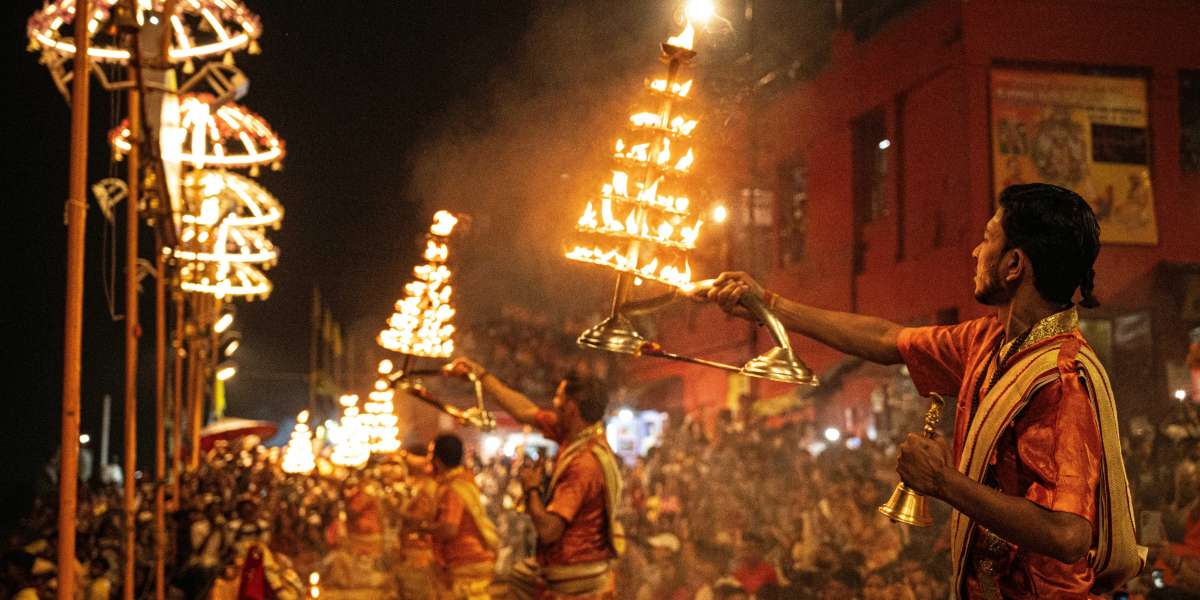
The ghats are the defining feature of varanasi city and understanding which ones are worth prioritizing is essential knowledge. Dashashwamedh Ghat is the central hub where the evening Ganga Aarti ceremony takes place and is the most visually spectacular of the ghats. Manikarnika Ghat is the most sacred of all: the main cremation ghat where Hindus believe the cycle of rebirth is broken for those cremated here. Assi Ghat at the southern end is the most socially active for travelers, with morning yoga gatherings, cafes, and a relatively relaxed pace. Scindia Ghat has the famous partially submerged Shiva temple that tilts dramatically into the river and is one of the most photographed spots in the city. Panchganga Ghat to the north is one of the most ancient and considered particularly sacred by pilgrims. Walking between all of these over two or three mornings in varanasi city gives you a complete picture of the ghat culture.
Best Places to Stay for Every Budget in Varanasi City
Accommodation in varanasi city spans a genuinely wide range. For budget travelers, guesthouses in the Assi Ghat and Godowlia areas offer rooms from around 500 to 1,500 rupees per night and put you immediately inside the old city experience. Many of these have rooftop terraces overlooking the ghats or the river lanes that make them far more atmospheric than their prices suggest. Mid-range travelers have excellent options in the same areas in the 2,000 to 5,000 rupee range with better amenities, air conditioning, and more reliable hot water. Luxury options in varanasi city include Brijrama Palace, a beautifully restored heritage property directly on the ghats, and several well-appointed hotels in the Cantonment area for travelers who want comfort alongside their cultural exploration. Booking accommodation in advance is essential from October through February and absolutely critical around major festival periods like Dev Deepawali and Maha Shivaratri.
Local Markets and Shopping Every Varanasi City Visitor Loves
Varanasi is one of the great shopping cities in India and the varanasi city guide to markets covers territory worth knowing. Banarasi silk is the most famous product: handwoven silk sarees with intricate brocade work using gold and silver thread that are genuine works of art with prices ranging from a few thousand to hundreds of thousands of rupees. The lanes around Vishwanath Gali and Chowk have the highest concentration of silk shops, ranging from large established showrooms to small family weaving operations. Thatheri Bazaar in the old city is the historic metalwork market where brassware, bronze items, and traditional utensils have been sold for centuries. Musical instruments including tablas and sitars are available in specialty shops catering to serious musicians as well as souvenir buyers. Be aware of commission-based systems where guides direct tourists to specific shops: visiting government emporiums gives you more reliable quality and transparent pricing.
How to Eat Incredibly Well Across Varanasi City Daily
The food culture of varanasi city is one of its greatest attractions and deserves serious attention from any traveler. The city is overwhelmingly vegetarian, reflecting its deeply Hindu sacred identity, and the creativity within that constraint is extraordinary. Morning kachori and jalebi at the old city breakfast stalls is the quintessential Varanasi start to the day. Tamatar chaat, a uniquely Varanasi preparation of crispy puri shells filled with tomato curry and topped with yogurt and chutneys, is found at dedicated chaat establishments throughout the old city. The famous Blue Lassi shop in Kalika Gali near Vishwanath Temple has been serving extraordinarily thick lassis in clay cups for around 75 years and is an essential stop. Evening paan, the Banarasi betel leaf preparation available in sweetened form, is the traditional digestive conclusion to any food day in varanasi city. Exploring these food experiences over several days builds a genuine understanding of the culinary culture.
Getting Around the Varanasi City Guide the Smart Way
Moving around varanasi city efficiently requires using different transport modes for different situations. For the old city lanes, walking is not just the most practical option but often the only physically possible one, since many galis are too narrow for any motorized vehicle. For medium distances within the old city, cycle rickshaws are good value and provide a pleasant slow-moving perspective on the city. For longer trips between the old city and the railway station, airport, or Cantonment area, Uber and Ola provide transparent pricing and eliminate negotiation stress. Auto-rickshaws are fine for these routes but require price agreement before departure. Boat rides on the Ganges serve as both transport between ghats and as one of the essential experiences of varanasi city. Avoid any vehicle that aggressively solicits you near the main tourist areas as these typically charge significantly above fair rates.
Day Trips That Make Your Varanasi City Experience Complete
The most essential day trip from varanasi city is Sarnath, just 10 kilometers away, where the Buddha gave his first sermon after achieving enlightenment. The Dhamek Stupa and the Sarnath Archaeological Museum, which contains the original Lion Capital of Ashoka that became India's national emblem, make this one of the most significant Buddhist sites in the world and a complete contrast to Varanasi's Hindu intensity. Chunar Fort, 35 kilometers away on a rocky outcrop above the Ganges, is a historically extraordinary fortification occupied by Mughals, Sher Shah Suri, and the British colonial administration that sees very few tourists and rewards adventurous travelers. Prayagraj, formerly Allahabad, 120 kilometers away, is the site of the Triveni Sangam where three rivers meet and is itself one of the holiest sites in Hinduism. Each of these day trip options adds a different dimension to the varanasi city experience. https://www.travelosei.com/india/spiritual/north/varanasi
Frequently Asked Questions
Is the Ganga Aarti ceremony free to attend?
Yes, the evening Ganga Aarti at Dashashwamedh Ghat is free to watch from the ghat steps. Boat positions for watching from the river involve paying the boat operator's fee, typically 200 to 500 rupees per boat for the duration. Arriving 45 minutes early on the ghat side is advisable as crowds build substantially.
What is the best ghat for a sunrise boat ride?
Most boat rides depart from Dashashwamedh Ghat or Assi Ghat. Departing from Assi Ghat heading north gives you the full ghat line in the morning light. Your accommodation can arrange the boat at a fair fixed rate, which is usually the most convenient approach.
Is Varanasi suitable for families with children?
Varanasi works well for families with older children who can handle the sensory intensity of the old city and have some context for what they may witness at cremation ghats. Very young children may find the crowds and heat challenging. The boat rides and Ganga Aarti ceremony are universally engaging for all ages.
What vaccinations are recommended before visiting India?
Consult your doctor or a travel health clinic before visiting India. Commonly recommended vaccinations include hepatitis A, typhoid, and ensuring routine vaccinations are up to date. Malaria prophylaxis may be advised depending on your broader India itinerary.
Can I use American credit cards in Varanasi?
Credit card acceptance is limited in the old city and ghat areas. Carry sufficient Indian rupee cash for street food, boat rides, rickshaws, and temple donations. ATMs are available throughout the city but can run low on cash during busy festival periods so having a two to three day cash reserve is sensible.