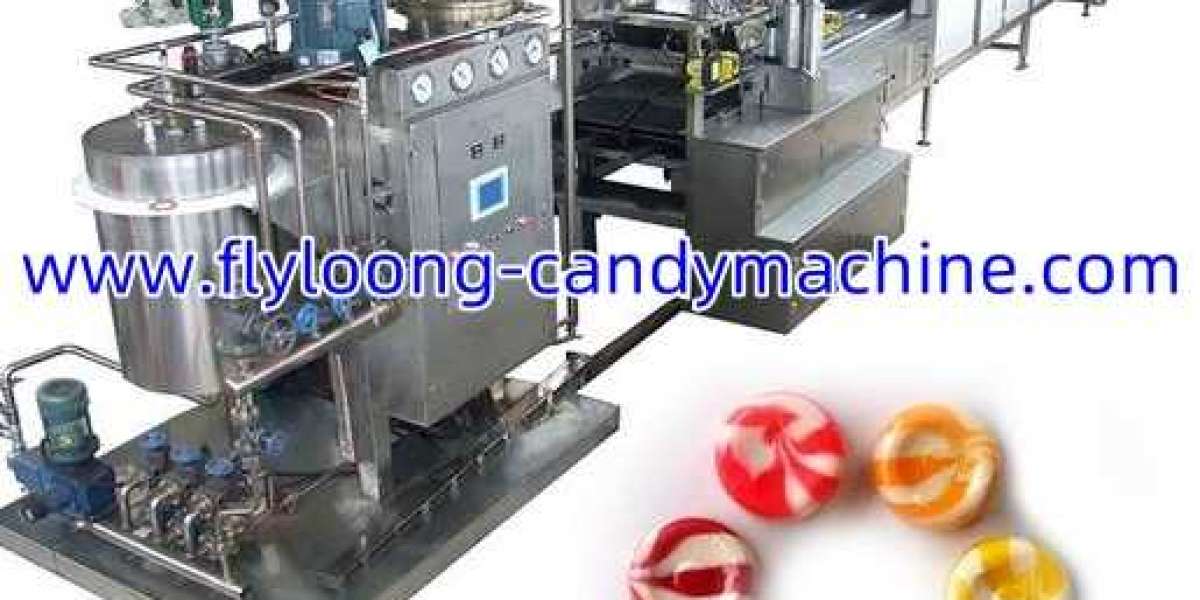

Flyloong Candy Machinery Manufacturer plays a central role in helping confectionery factories manage output levels, reduce material waste, and maintain consistent product quality. As consumer demand changes and product varieties expand, production lines must operate smoothly without frequent interruptions. Improving efficiency requires attention to equipment design, automation systems, and workflow coordination within the factory environment.
Optimized Equipment Layout
A well-planned layout reduces unnecessary movement of raw materials and semi-finished products. When cooking, forming, cooling, and packaging stages are arranged logically, production flows more steadily. Efficient layout planning also improves operator visibility and simplifies daily supervision.
Equipment built with modular structures allows easier integration into existing factory spaces. This flexibility supports gradual upgrades instead of complete line replacements, helping manufacturers adjust production capacity over time.
Automation and Control Systems
Modern confectionery production increasingly relies on programmable control panels. Accurate temperature settings, timing coordination, and automated feeding systems reduce manual intervention. Consistent heating and cooling cycles support uniform texture and shape across batches.
Digital monitoring systems also help track operational parameters in real time. When deviations occur, operators can respond quickly before larger disruptions develop. This approach supports smoother daily output without increasing complexity for staff.
Material Flow and Waste Reduction
Ingredient handling plays a major role in productivity. Controlled feeding systems ensure sugar, glucose syrup, and flavoring components move through the process at balanced rates. Stable material flow reduces uneven cooking or inconsistent forming.
Well-designed forming units minimize off-spec products, lowering the need for reprocessing. Even small improvements in yield can contribute to noticeable gains in overall efficiency across long production runs.
Energy Management and Thermal Stability
Candy production involves precise temperature control during cooking and shaping. Equipment designed with stable heating structures and insulated components can help maintain consistent thermal conditions.
Balanced energy usage also contributes to predictable operation. When heating and cooling systems function steadily, machines experience fewer stress-related interruptions. This stability supports continuous production cycles, particularly during extended shifts.
Maintenance Planning and Downtime Reduction
Preventive maintenance scheduling reduces unexpected stops. Clear access points for cleaning and part replacement allow operators to complete routine checks efficiently.
Production lines that include wear-resistant components and straightforward assembly structures simplify servicing. Quick inspection routines help identify minor issues before they affect output.
Structured maintenance planning also improves spare part management, ensuring necessary components are available when required.
Adaptability for Market Trends
Confectionery markets evolve with seasonal products and changing consumer preferences. Flexible forming modules and adjustable control settings allow producers to introduce new shapes or recipes without major system overhauls.
Scalable equipment capacity supports gradual expansion when demand increases. Rather than rebuilding the entire line, factories can extend certain sections to match higher production targets.
Engineering Support and Process Coordination
Effective production improvement depends not only on equipment but also on technical coordination. Clear installation guidance and structured commissioning procedures help ensure systems operate as intended.
Technical support during initial setup can shorten adjustment periods and reduce trial-and-error modifications. This approach allows factories to stabilize output more quickly after installation.
Improving confectionery production efficiency involves thoughtful equipment layout, automation integration, material flow control, energy stability, and preventive maintenance planning. Each element contributes to smoother daily operations and consistent product quality.
Producers reviewing equipment options for line upgrades or new installations can explore available solutions here https://www.flyloong-candymachine.com/product/