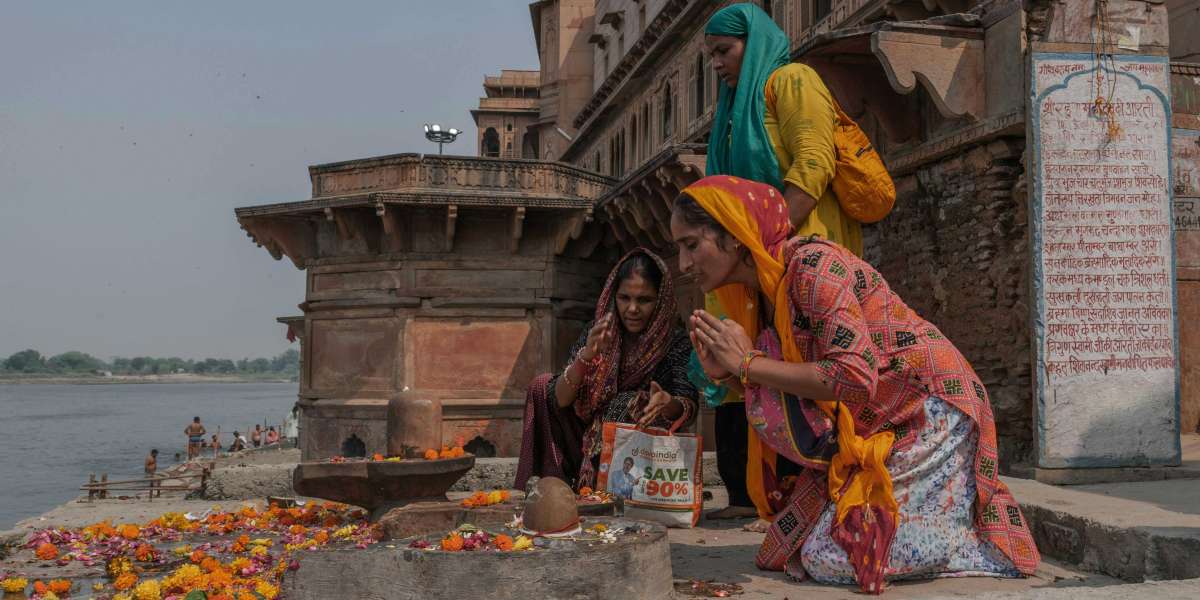

Mathura Temple Visiting a temple krishna site in India is one of those travel experiences that genuinely stays with you. Lord Krishna is one of the most beloved deities in Hinduism, and the temples dedicated to him across India range from ancient, historically layered pilgrimage sites to modern architectural marvels full of color and devotion. For American travelers who are curious about Indian culture, spirituality, and history, these temples offer a window into a living tradition that has been going strong for thousands of years.
What Makes Every Temple Krishna So Deeply Sacred
Every temple krishna carries a deep sense of sacredness that goes beyond just its architecture or age. Lord Krishna occupies a central place in Hindu theology as the eighth avatar of Lord Vishnu, and his life as described in the Bhagavata Purana and the Mahabharata is one of the most complete and beloved divine narratives in any religious tradition. He is simultaneously a divine child, a lover, a warrior, a philosopher, and a king, and different temples across India honor different aspects of his story. The Bhagavad Gita, one of the most important philosophical texts in world history, was spoken by Lord Krishna on the battlefield of Kurukshetra. Walking into any temple krishna site means stepping into a space where millions of people across centuries have come to express their deepest devotion, and that accumulated energy is something you genuinely feel the moment you walk through the gate.
Most Significant Temple Krishna Sites Across India
India has an extraordinary concentration of temple krishna sites, each one significant in its own right. The Krishna Janmabhoomi Temple complex in Mathura is the most important because it marks the traditional birthplace of Lord Krishna. Dwarkadhish Temple in Dwarka, Gujarat, marks the city where Krishna ruled as king and is one of the four dhams of the national Char Dham pilgrimage. Banke Bihari Temple in Vrindavan, just 10 kilometers from Mathura, is famous for its intensely devotional atmosphere and the unique way the curtain before the deity is briefly opened and closed throughout the day. Udupi Sri Krishna Temple in Karnataka, founded by the 13th-century saint Madhvacharya, is one of the most important Vaishnava temples in South India. And the Guruvayur Temple in Kerala, known as the Dwarka of the South, draws millions of pilgrims every year.
History and Stories Behind Every Temple Krishna
The history behind each temple krishna is inseparable from the stories of Lord Krishna's life. The Krishna Janmabhoomi site in Mathura has been sacred for over two thousand years and the original temple there was reportedly built during the reign of Chandragupta Vikramaditya in the 4th and 5th centuries CE. It was destroyed and rebuilt multiple times over the following centuries, most significantly during the Mughal period. Dwarkadhish Temple in Dwarka, Gujarat, is believed to mark the submerged ancient city of Dwarka mentioned in the Mahabharata and has archaeological significance beyond its religious importance. Banke Bihari Temple in Vrindavan was established in 1864 by the followers of the saint Swami Haridas, whose disciple Tansen became one of the greatest musicians in Indian classical history. Each of these sites carries centuries of devotion, conflict, rebuilding, and renewal layered into every stone.
Best Time of Day to Visit Any Temple Krishna
Early morning is consistently the best time to visit any temple krishna site regardless of which one you are going to. Most major temples open between 5 and 6 AM and the first two hours of the morning are when the devotional atmosphere is most genuine, the crowds are smallest, and the morning aarti ritual is underway. The morning aarti involves lamps, incense, flowers, and devotional chanting offered to the deity at dawn and is one of the most beautiful ritual experiences you can witness in India. Evening aartis, typically beginning around sunset, are equally moving and draw larger crowds with an energy that is deeply atmospheric. The midday period between roughly noon and 3 PM is the least recommended time to visit because many temples close briefly during this window and the heat during warmer months makes moving between sites uncomfortable. Weekday visits are consistently calmer than weekends.
Rules Every Visitor Must Follow at Temple Krishna
The conduct rules at every temple krishna site are consistent and following them from the start makes your visit much smoother. Remove your footwear at every temple entrance without exception. Cover your shoulders and knees fully before approaching any temple. Leather goods including belts, bags, and accessories made from animal hide are not permitted inside Hindu temple premises and should be left at your accommodation. At the Krishna Janmabhoomi complex in Mathura, mobile phones must be stored in lockers at the entrance since they are not permitted inside the complex. Do not touch any idol, altar, or sacred object within the temple. Keep your voice low and your phone silenced at all times inside temple areas. Do not eat or chew gum on temple premises. And never point your feet toward the deity or the altar since this is considered deeply disrespectful in Hindu tradition.
How to Plan a Trip Around Temple Krishna Sites
Planning a trip around temple krishna sites works best when you organize by geographic region rather than trying to cover the entire country in a single visit. A northern India circuit centered on Mathura, Vrindavan, and Varanasi gives you a rich and logistically coherent introduction to the Krishna pilgrimage tradition. A western India circuit can cover Dwarka and Nathdwara in Rajasthan. South India adds Udupi and Guruvayur to the mix for travelers who want to experience the Dravidian temple tradition alongside the northern Vaishnava one. Booking a guided package for at least the first leg of any temple-focused trip is strongly recommended because a knowledgeable local guide adds the historical and devotional context that transforms each Mathura temple visit from impressive to genuinely unforgettable. Allow at least 45 to 90 minutes at each major site and build in buffer time for unexpected crowds or extended aartis.
Practical Tips Before Visiting Any Temple Krishna
A few consistent habits make visiting any temple krishna site significantly smoother. Always carry cash in small Indian rupee denominations since locker fees, shoe storage, and any small purchases near temple entrances require cash. Dress modestly from the start of every sightseeing day so you are always ready to enter any temple without adjustment. Download offline maps of every city on your itinerary before you arrive since connectivity can be patchy near older pilgrimage sites. Hire a licensed local guide at major sites rather than relying solely on signage, which can be inconsistent in English. Be patient with security checks and queues at the most popular sites since these are inevitable and the experience on the other side is genuinely worth the wait. And approach every temple with genuine curiosity and respect because these are active places of worship where millions of people come to express something deeply personal and the quality of your experience is shaped directly by the attitude you bring. https://www.travelosei.com/india/spiritual/north/mathura
Frequently Asked Questions
Which temple krishna site is the most important to visit in India?
The Krishna Janmabhoomi Temple complex in Mathura is widely considered the most important because it marks the traditional birthplace of Lord Krishna and has been a center of devotion for over two thousand years. Dwarkadhish Temple in Dwarka is another top contender as one of the four dhams of the national Char Dham pilgrimage.
Can non-Hindus visit temple krishna sites in India?
Yes, most temple krishna sites across India welcome visitors of all backgrounds and beliefs. Respectful behavior, modest dress, and compliance with the basic conduct rules at each site are all that is required. Some inner sanctums at specific temples may have restrictions but outer areas and courtyards are generally accessible to all visitors.
Is it necessary to hire a guide when visiting temple krishna sites?
A guide is not mandatory but is strongly recommended, especially for first-time visitors. A knowledgeable local guide provides the historical and devotional context that transforms each temple from a beautiful building into a living story. Guides can be arranged through your hotel or at major temple entrances.
What is the best season to visit temple krishna sites in northern India?
October through February is the most comfortable season with cool and pleasant weather ideal for outdoor sightseeing. November is particularly recommended for its post-monsoon freshness and festive Diwali atmosphere. Festival periods like Janmashtami in August and Holi in March are extraordinary but bring very large crowds.
How much time should I budget for a complete temple krishna tour of northern India?
A focused northern India temple krishna circuit covering Mathura, Vrindavan, Varanasi, and Ayodhya takes a minimum of seven to ten days to cover meaningfully. Allowing more time at each destination rather than rushing through a long list gives a far more satisfying and immersive experience overall.