
1. Top Heritage Cities with Iconic Palaces in India
Rajasthan dominates India's palace landscape, with Jaipur, Udaipur, Jodhpur, and Jaisalmer forming a royal circuit that showcases the finest examples of Rajput architecture and hospitality. Jaipur, the Pink City, houses the magnificent City Palace complex where the royal family still resides in private quarters, while portions serve as museums and luxury hotels. The Rambagh Palace, once home to Maharaja Sawai Man Singh II, epitomizes regal grandeur with its 47 acres of Mughal gardens, marble pavilions, and interiors decorated with hand-carved marble latticework and original palace furnishings.
Udaipur, often called the Venice of the East, presents perhaps the most romantic palace setting in India. The Lake Palace appears to float ethereally on Lake Pichola's shimmering waters, creating an otherworldly vision that has captivated travelers for centuries. This 18th-century marvel, built entirely of white marble, now operates as one of India's most exclusive luxury hotels, offering American guests an island sanctuary of unparalleled beauty. The City Palace complex overlooking the lake represents another architectural triumph, with its courtyards, gardens, and museums spanning 400 years of Mewar dynasty history.
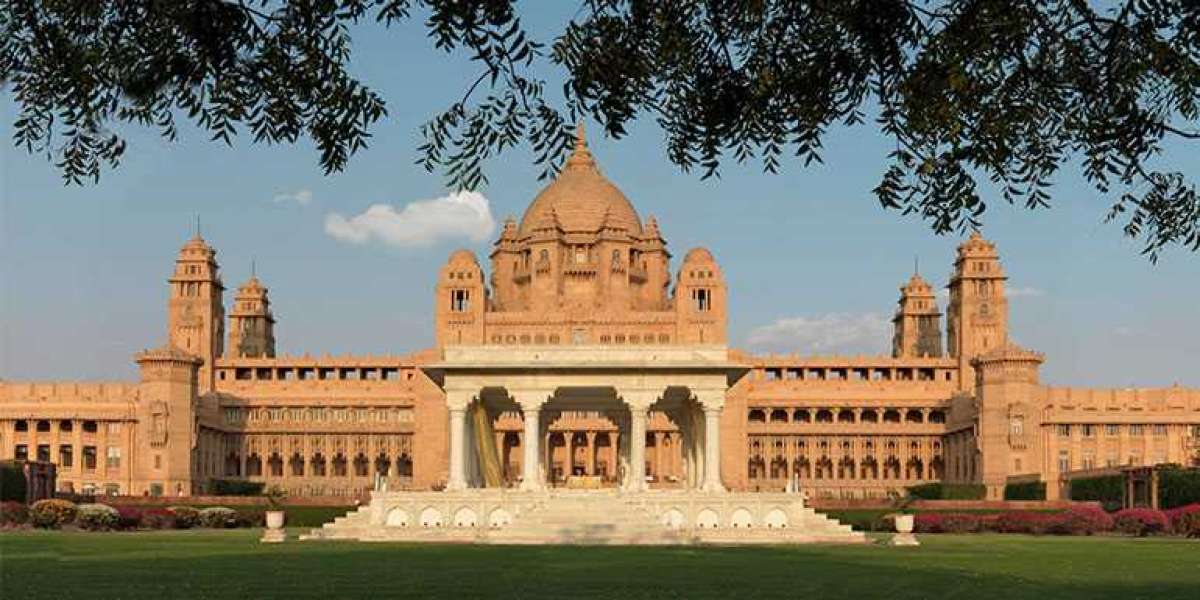
Jodhpur's Umaid Bhawan Palace stands as one of the world's largest private residences, with 347 rooms set within golden-yellow sandstone walls. This Art Deco masterpiece, completed in 1943, remains partially occupied by the royal family while hosting one of India's premier luxury hotels. The palace's Indo-Saracenic architecture blends Eastern and Western design elements, creating spaces that feel simultaneously exotic and familiar to Western travelers.
Beyond Rajasthan, exploring an Indian Palace India experience extends to other remarkable destinations. Mysore Palace in Karnataka dazzles with its Indo-Saracenic style, featuring intricately carved doors, stained glass ceilings, and elaborate turrets. While not a hotel, it provides essential context for understanding palace architecture. Meanwhile, heritage properties throughout Gujarat, Madhya Pradesh, and Himachal Pradesh offer Americans diverse palace-stay experiences, from hilltop fortresses to lakeside retreats.
2. Staying in Palaces in India: From Royal Suites to Butler Service
The transformation of royal residences into luxury hotels has created accommodation experiences that surpass typical five-star offerings. When you book a palace stay, you're not simply reserving a room—you're securing access to centuries of hospitality traditions refined by royal households. These properties maintain staff-to-guest ratios that often exceed three-to-one, ensuring personalized attention that anticipates your needs before you articulate them.
Royal suites in palace hotels typically occupy chambers once reserved for maharajas, complete with original furniture, hand-painted frescoes, and private terraces overlooking formal gardens or scenic vistas. The Raj Mahal Suite at Umaid Bhawan Palace spans nearly 5,000 square feet and features its own private museum displaying royal artifacts. Similarly, the Maharaja Suite at Rambagh Palace includes a private dining room where personal chefs prepare customized menus based on your preferences.
Butler service at palace hotels follows protocols established during British colonial rule and refined over generations. Your personal butler manages every aspect of your stay, from unpacking luggage and pressing clothes to arranging private tours and coordinating special celebrations. These professionals bring encyclopedic knowledge of local culture, history, and logistics, effectively serving as your personal concierge, valet, and cultural ambassador. Many speak multiple languages and have trained specifically to understand American preferences and expectations.
Room amenities reflect both historical authenticity and contemporary luxury. Expect Egyptian cotton linens with thread counts exceeding 1,000, marble bathrooms with rain showers and separate soaking tubs, and modern technology discreetly integrated into historical settings. Many palace hotels feature temperature-controlled wine cellars, private libraries stocked with rare books, and spa facilities offering traditional Ayurvedic treatments alongside Western wellness services.
3. Culinary Experiences Inside Palaces in India for US Visitors
Dining in palace hotels provides access to royal cuisines that evolved within maharaja courts, many featuring recipes passed down through generations and rarely found elsewhere. These establishments employ chefs trained in traditional cooking techniques while understanding Western palates and dietary requirements. The result is sophisticated Indian cuisine that honors authenticity while remaining accessible to American guests.
Many palace hotels offer multiple dining venues, from formal restaurants serving multi-course tasting menus to intimate courtyards perfect for candlelit dinners under the stars. The Suvarna Mahal at Rambagh Palace recreates the opulence of royal banquet halls with crystal chandeliers, gold leaf decorations, and table settings featuring period china and silverware. Menus feature refined interpretations of Rajasthani specialties like laal maas (spicy lamb curry), ker sangri (desert beans and berries), and dal baati churma (lentils with baked wheat balls), prepared with techniques that reduce heat levels while preserving complex flavor profiles.
Private dining experiences represent a highlight of palace stays. Imagine dinner served in a 16th-century courtyard illuminated by hundreds of oil lamps, or lunch arranged on a palace terrace with panoramic city views. Many properties offer cooking classes where palace chefs reveal secrets of royal cuisine, teaching you to prepare dishes you can recreate at home. These sessions often include market visits to select fresh spices and ingredients, providing cultural immersion alongside culinary education.
Understanding that exploring Indian Palace India hospitality means accommodating diverse preferences, palace hotels excel at dietary customization. Whether you require vegetarian, vegan, gluten-free, or other specialized menus, palace kitchens adapt traditional recipes to meet your needs without compromising flavor or presentation. Many Americans discover that Indian palace cuisine offers surprising variety, with influences from Mughal, Rajput, Portuguese, and British culinary traditions creating a sophisticated fusion that defies stereotypes.
4. Private Events and Cultural Performances in Palaces in India
Palace hotels specialize in creating exclusive cultural experiences that transport guests into India's royal past. Evening programs might include private classical dance performances in palace courtyards, with dancers executing intricate Kathak or Bharatanatyam movements against backdrops of illuminated palace architecture. These aren't tourist shows but authentic artistic presentations by accomplished performers, often arranged in intimate settings where you can appreciate the nuances of mudras (hand gestures) and abhinaya (facial expressions).
Many properties arrange private concerts featuring traditional instruments like the sitar, tabla, and sarangi, performed by maestros who have trained for decades in their art. These musical experiences often occur in palace music rooms designed with specific acoustics to enhance sound quality, creating atmospheric performances that resonate emotionally as well as aurally. Your butler can arrange post-performance meetings with artists, allowing deeper engagement with India's classical arts.
For those seeking immersive experiences, palace hotels organize heritage walks led by historians or family members who share personal anecdotes about royal life. These exclusive tours reveal private chambers, hidden passages, and architectural details overlooked during standard visits. You might explore zenana quarters where royal women lived in purdah, examine weapons collections accumulated over centuries, or view priceless miniature paintings depicting court life.
Celebrating an Indian Palace India experience extends to personal milestone events. Palace hotels excel at hosting intimate weddings, vow renewals, anniversary celebrations, and birthday parties with royal flair. Imagine exchanging vows in a palace garden followed by a reception in a mirrored banquet hall, or celebrating your anniversary with a private dinner in a lakeside pavilion. Event planning teams coordinate every detail, from floral arrangements using traditional Indian motifs to entertainment featuring folk musicians and dancers.
5. The Best Time to Visit Palaces in India for a Luxury Experience
Timing your palace experience significantly impacts comfort and enjoyment. The ideal period for visiting extends from October through March, when temperatures remain pleasant and skies stay clear. This window coincides with India's peak luxury travel season, when palace hotels operate at full capacity with all amenities and services available.
October and November offer particularly appealing conditions. Post-monsoon freshness brings vibrant greenery to palace gardens, temperatures hover in the comfortable 70-80°F range, and festival season adds cultural richness to your visit. Diwali, the festival of lights celebrated in October or November, transforms palaces with thousands of oil lamps and elaborate decorations. Many palace hotels host special Diwali celebrations featuring traditional rituals, festive meals, and spectacular fireworks displays.
December through February represents winter in northern India, with daytime temperatures ranging from 60-75°F and cooler evenings requiring light jackets. This season provides optimal conditions for exploring palace grounds, taking heritage walks through royal cities, and enjoying outdoor dining experiences. The crisp air enhances visibility, making this ideal for photography enthusiasts wanting to capture palace architecture in perfect light.
March marks the transition toward warmer weather, with temperatures climbing but remaining manageable for most activities. This shoulder season offers advantages including slightly lower rates at luxury properties and fewer crowds at popular attractions. Understanding the seasonal nuances of an Indian Palace India journey helps optimize your experience, ensuring comfort while maximizing opportunities to fully appreciate these magnificent properties.
Avoid visiting from April through September unless you have specific reasons for off-season travel. Summer temperatures from April to June regularly exceed 100°F in Rajasthan, making outdoor activities uncomfortable despite palace hotels' excellent air conditioning. Monsoon season from July to September brings humidity and periodic rainfall that can disrupt travel plans, though some travelers appreciate the dramatic beauty of rain-washed palace landscapes and benefit from off-season rates.
https://www.travelosei.com/hello-india/palaces-to-stay
Frequently Asked Questions
- Are palace hotels in India safe for American travelers?
Yes, palace hotels maintain international safety and security standards with 24/7 security personnel, secure premises, and staff trained to assist Western guests. These properties cater extensively to American and European visitors, ensuring familiar comfort levels within exotic settings.
- How much should I budget for a palace hotel stay in India?
Expect to pay $300-$1,500 per night depending on the property, season, and room category, comparable to luxury hotels in major US cities. Many palace hotels offer all-inclusive packages covering meals, activities, and transportation that provide excellent value.
- Do I need special clothing to stay in palace hotels?
No special attire is required, though modest dress is appreciated when exploring palace grounds and visiting religious sites. Most palace hotels maintain elegant casual dress codes for dining venues, similar to upscale American restaurants.
- Can palace hotels accommodate dietary restrictions and allergies?
Absolutely, palace hotel chefs expertly handle all dietary requirements including vegetarian, vegan, gluten-free, and allergy-specific menus. Inform the hotel of your needs when booking, and your butler will ensure all meals meet your requirements.
- How far in advance should I book a palace hotel in India?
Book luxury palace hotels 6-9 months ahead for peak season travel (October-March) to secure preferred dates and room categories. Last-minute bookings sometimes offer opportunities, but popular properties fill quickly during festival seasons and holidays.