

Private airline flights have grow to be a major section of the aviation business, catering to a diverse clientele that ranges from business executives to leisure travelers looking for luxurious and convenience. This report delves into the intricacies of private airline flights, inspecting their advantages, operational dynamics, market tendencies, and future prospects.
1. Introduction to Private Airline Flights
Private airline flights, often known as charter flights, are aircraft services that are not part of the regular airline schedules. These flights could be booked for particular routes and instances, providing a stage of flexibility that industrial airways can't provide. The private aviation sector encompasses numerous forms of services, together with fractional possession, jet cards, and on-demand charters, every designed to fulfill totally different customer needs.

2. Benefits of Private Airline Flights
The enchantment of private airline flights lies in a number of key advantages:
- Flexibility: Passengers can choose their departure times, routes, and even the airports they fly into, typically touchdown at smaller airports nearer to their ultimate locations.
- Time-Saving: Private flights can considerably cut back travel time, as passengers can avoid lengthy security lines and boarding procedures typical of economic flights.
- Comfort and Privateness: Private jets offer an unique environment, permitting travelers to conduct business meetings or relax in privacy with out the disturbances of business air journey.
- Customized Services: From gourmet meals to bespoke in-flight leisure, private airlines provide tailored experiences that cater to individual preferences.
3. Sorts of Private Airline Services
Private airline flights can be categorized into a number of service models:
- Charter Flights: These flights are booked for a specific journey and are often used for group travel, company occasions, or special events.
- Fractional Possession: This model allows people or corporations to purchase a share of an aircraft, providing them with a set variety of flight hours per year, thus reducing the overall cost of possession.
- Jet Cards: Clients buy a set number of flight hours on a specific kind of aircraft. This mannequin provides flexibility without the dedication of possession.
- On-Demand Charter: Prospects can guide flights as needed, without any lengthy-time period commitments. This is particularly fashionable among those that fly infrequently.
4. The Market Landscape
The private aviation market has experienced significant progress in recent times, pushed by increasing demand for customized travel experiences. In response to the National Business Aviation Affiliation (NBAA), the private aviation sector has seen a resurgence, especially submit-pandemic, as travelers prioritize security and convenience.
4.1. Key Gamers
The private airline industry includes quite a lot of operators, from giant corporations with extensive fleets to smaller boutique operators offering area of interest providers. Main players include NetJets, Flexjet, and VistaJet, which dominate the fractional possession and jet card markets. Moreover, numerous regional operators provide charter services tailor-made to local markets.
4.2. Market Developments
A number of traits are shaping the way forward for private airline flights:
- Sustainability: There's a rising emphasis on eco-friendly practices throughout the aviation business. Many private operators are exploring sustainable aviation fuels (SAFs) and more efficient aircraft designs to scale back their carbon footprint.
- Expertise Integration: Innovations in booking platforms, in-flight entertainment programs, and customer support purposes are enhancing the overall travel experience.
- Elevated Accessibility: The rise of membership applications and on-demand charter providers is making private flying extra accessible to a broader audience, beyond just the extremely-rich.
5. Regulatory Atmosphere
The private aviation industry is subject to various regulations that ensure safety and compliance. In the United States, the Federal Aviation Administration (FAA) oversees private aviation operations, whereas similar regulatory bodies exist in different international locations. Compliance with safety standards, pilot coaching necessities, and upkeep protocols is important for operators to take care of their licenses and provide secure providers.
6. Challenges Facing the Industry
Despite its progress, the private airline sector faces a number of challenges:
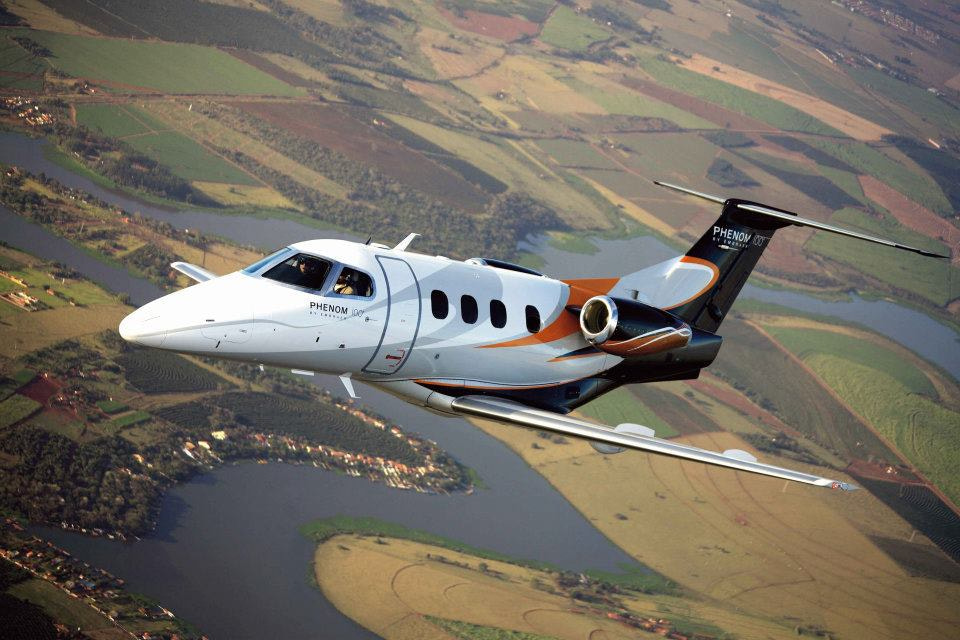
- High Operating Costs: The price of acquiring and sustaining aircraft, together with regulatory compliance, will be substantial. Operators should find methods to stability these costs while remaining competitive.
- Market Volatility: Economic fluctuations can influence demand for private flights, especially in occasions of financial uncertainty when corporations could reduce journey budgets.
- Environmental Considerations: As public consciousness of climate change increases, the aviation trade, including private flights, is underneath strain to adopt extra sustainable practices.
7. The future of Private Airline Flights
The future of corporate private jets charter airline flights seems promising, with continued growth expected as extra travelers seek personalized and versatile travel options. Improvements in aircraft know-how, corresponding to electric and hybrid planes, might revolutionize the trade by making flights more sustainable and price-effective.
7.1. Potential Developments
- Electric Aircraft: The event of electric and hybrid aircraft may considerably reduce operational costs and emissions, making private flying extra sustainable.
- Urban Air Mobility: The emergence of urban air mobility solutions, including air taxis, may change the panorama of private travel, offering new avenues for short-distance travel in city environments.
- Enhanced Customer Experience: As competitors intensifies, operators will probably put money into enhancing the client experience by means of improved services, amenities, and technology.
8. Conclusion
Private airline flights signify a singular segment of the aviation industry, offering unparalleled flexibility, consolation, and personalized service. Because the market continues to evolve, driven by technological developments and altering shopper preferences, private aviation is poised for a vivid future. Nonetheless, operators must navigate challenges resembling excessive operating costs and environmental considerations to thrive in this competitive landscape. The continued demand for private flights underscores the importance of this sector in assembly the numerous journey needs of individuals and companies alike.